Last updated November 22, 2026
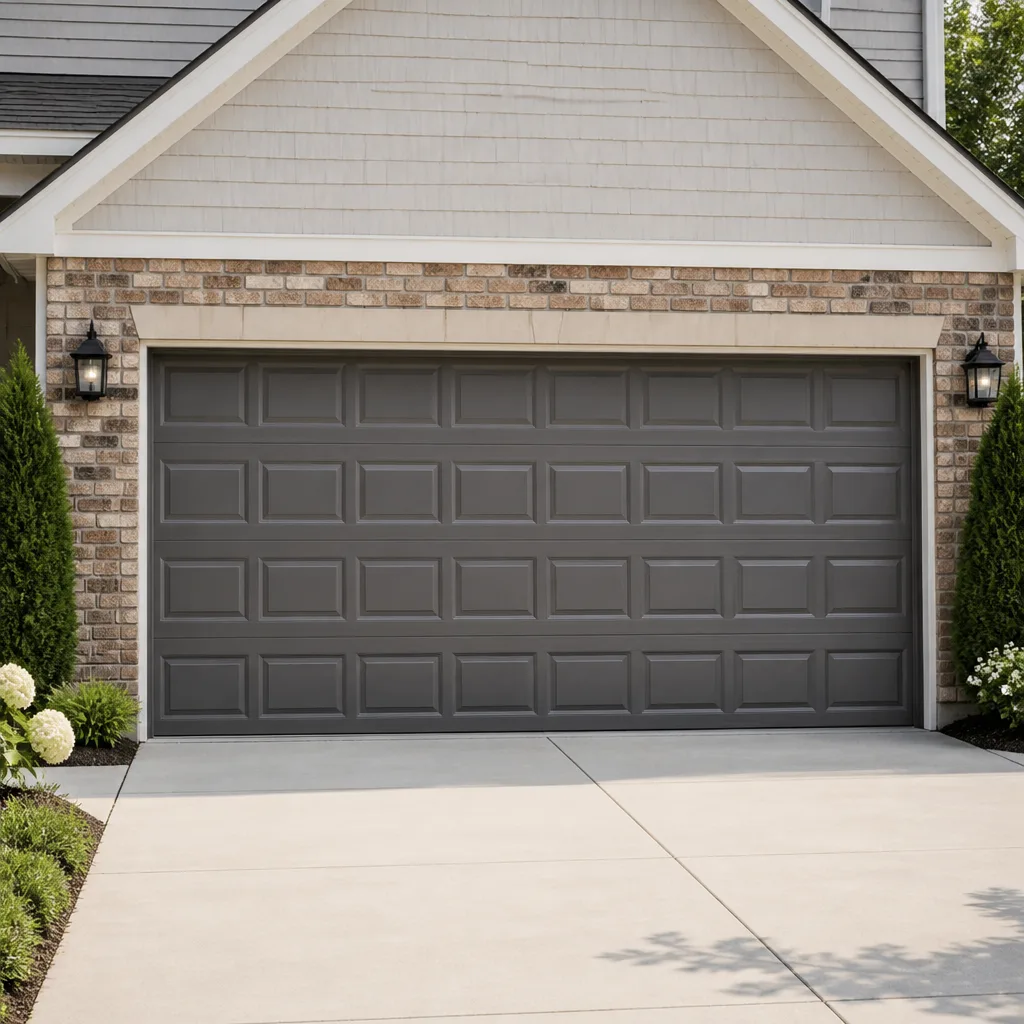 Raised-panel steel
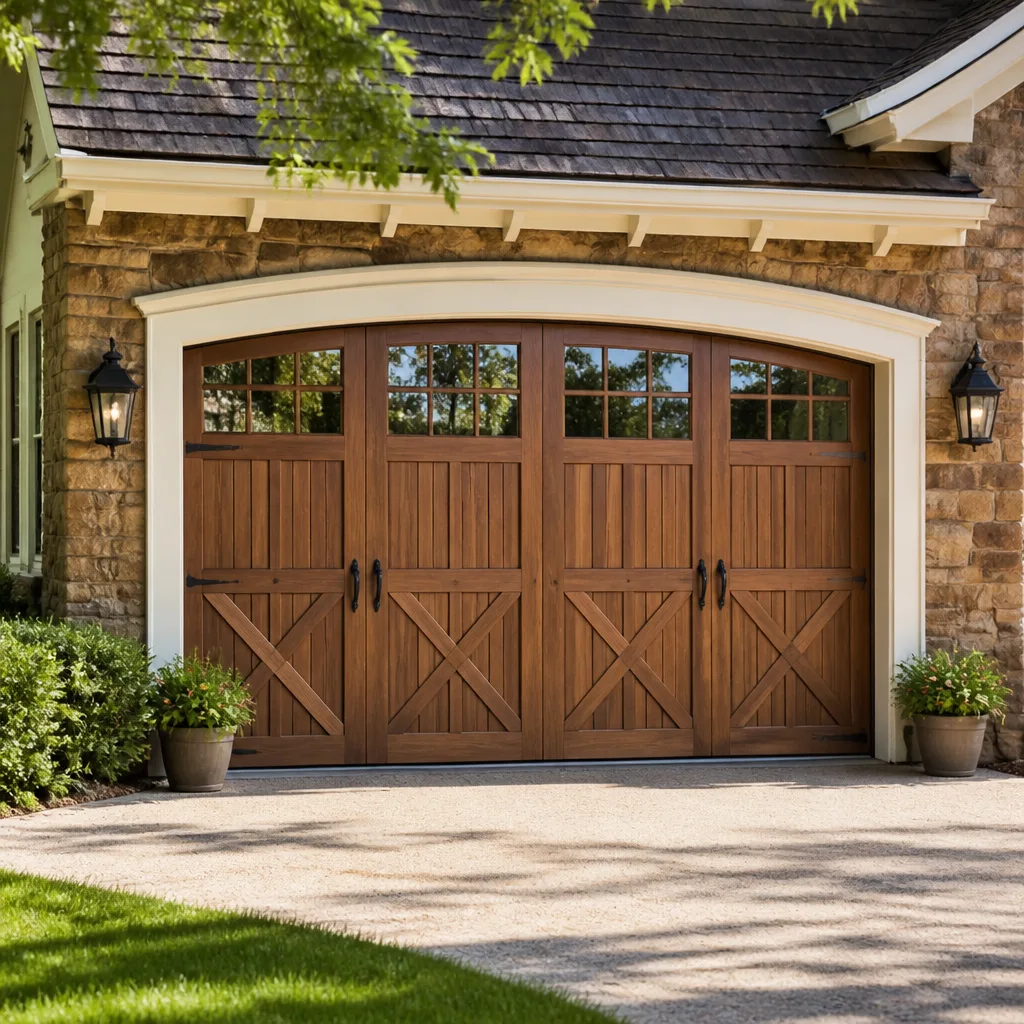 Carriage house
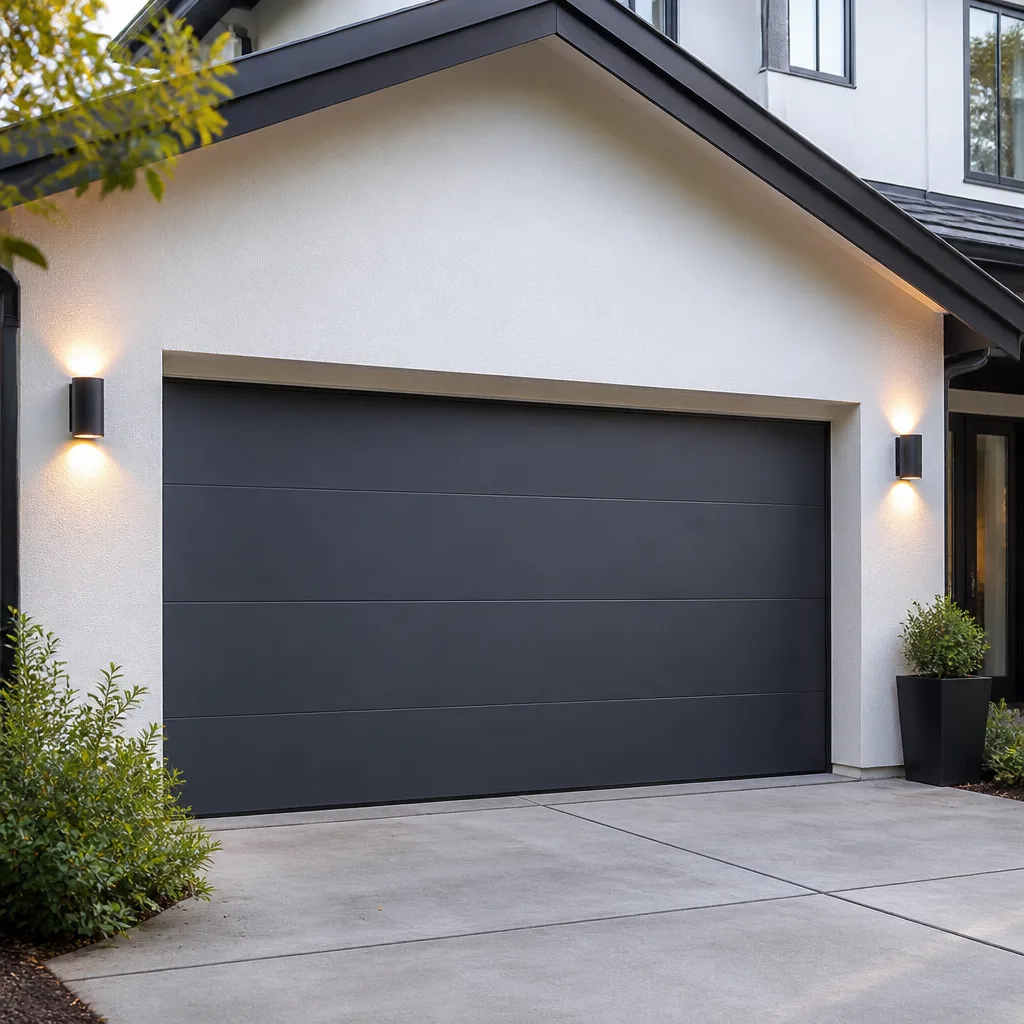 Modern flush
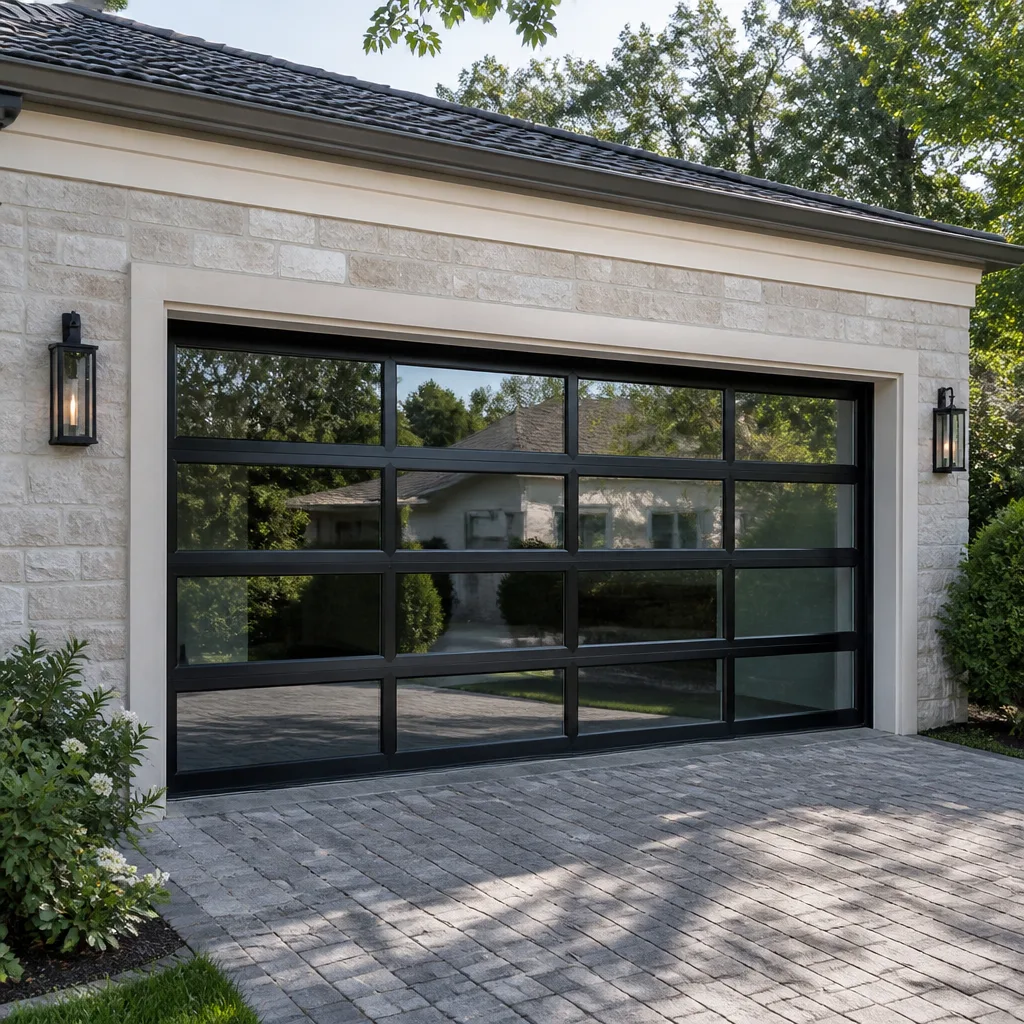 Full-view glass
 LiftMaster openers
 Chamberlain openers
Full 25-point door and opener safety check with every visit - springs, cables, rollers, tracks, and your LiftMaster or Chamberlain opener included
You get a price before we start. It does not change when the pro arrives.
Get your free estimateGarage Door Permits, Codes & Inspections in Downers Grove, IL: What You Need to Know
Most Downers Grove homeowners assume garage door work never needs a permit. That assumption holds up for a spring swap and often for an opener swap – and it falls apart the moment you replace the door itself or add a new electrical circuit for an opener. The projects most likely to require a Village permit are exactly the ones where skipping it gets expensive later, usually during a home sale inspection when a buyer’s attorney starts asking for paperwork. This guide walks through which Downers Grove garage door projects need a permit, which don’t, the code sections inspectors actually reference, how the permit process works, and what a compliant installation looks like on both a new opening and an older one.
Quick Answer
In Downers Grove, a full garage door replacement and any new electrical work for a garage door opener generally require a Village building permit, while like-for-like repairs – spring replacement, cable replacement, roller and hinge swaps, opener motor replacement on an existing circuit – are typically exempt. The Village of Downers Grove Building Division is the authority that confirms this for your specific project, and the rules can shift with code updates, so a quick call to the Building Division before you schedule work settles it. A permit for a residential garage door replacement is usually a modest fee and a short review, not a months-long process.
Styles & brands we work with
- Raised-panel steel
- Carriage house
- Modern flush
- Full-view glass
- LiftMaster openers
- Chamberlain openers
Table of Contents
- Which garage door projects need a permit in Downers Grove?
- Which repairs are exempt from permitting?
- The IBC and IRC sections that govern garage doors in Illinois
- What inspectors actually check on a garage door installation
- How to pull a garage door permit in Downers Grove
- How unpermitted work shows up at resale
- What a compliant installation looks like: new doors vs. retrofits
- Common mistakes to avoid
Which garage door projects need a permit in Downers Grove?
A full garage door replacement is the project that most reliably triggers a permit requirement in Downers Grove. When you remove an existing door and install a new one – whether it’s a Clopay carriage-house style, an Amarr steel raised-panel, or a Wayne Dalton model – the Village treats it as an alteration to the building envelope. The door is a rated assembly in the structure, and the permit exists so the Village can confirm the new door meets current wind-load, anchorage and safety requirements for the opening.
Electrical work for a new opener installation is the second common trigger. If a garage currently has no opener and you’re adding one, that means a new circuit or a new outlet in the ceiling – that’s electrical work, and in most Illinois jurisdictions electrical permits fall under a separate trade permit or a combined building permit. Replacing an opener on wiring that already exists is a different story; the wiring doesn’t change, so no electrical permit is pulled.
Structural changes to the opening fall squarely into permit territory. Widening the opening, raising the header, replacing a header beam, or converting a manual door opening to a larger size all change the load path of the wall above the door. Those require a permit and usually a plan review, because the Village needs to see the header sizing and the anchorage detail.
Here’s the general breakdown for Downers Grove projects:
- Full door replacement (same size opening): Permit typically required.
- New opener installation with new wiring: Permit typically required (electrical).
- Opener replacement on existing wiring: Usually exempt.
- Spring, cable, roller, hinge, panel replacement: Usually exempt.
- Track realignment or replacement: Usually exempt if the opening isn’t altered.
- Header changes, opening resizing, structural modification: Permit required, plan review likely.
We always tell Downers Grove customers the same thing: what the Village requires can shift with code adoption cycles, so confirm with the Building Division before you order a door. It’s a two-minute call. Getting it wrong after the door is ordered is a much longer conversation.
Which repairs are exempt from permitting?
Routine repairs on an existing door don’t need a Village permit. When we handle garage door spring repair in Downers Grove, the work stays inside the existing assembly – no new structural element, no new electrical circuit, no change to the opening. That’s the test most jurisdictions apply: is the work repairing an existing component, or is it adding or altering something?
Repairs that typically fall outside permitting:
- Replacing a broken torsion or extension spring (or a matched pair)
- Replacing frayed lift cables
- Swapping worn rollers, hinges, or bearing plates
- Replacing a single damaged panel on a sectional door
- Realigning or replacing bent track sections without changing the opening
- Replacing an opener motor or logic board on the existing wiring
- Adjusting opener travel limits, force settings, or safety sensor alignment
The trap here is a “repair” that quietly becomes a replacement. A homeowner with a badly damaged door sometimes gets a quote to replace every panel – and once you’re replacing most of the door, many jurisdictions treat it as a door replacement, not a panel repair, which brings the permit back into play. If more than half the door is being replaced, ask the Village whether they’d consider it a replacement. It’s better to ask than to assume.
Opener work also splits cleanly. A failing garage door opener repair on an existing installation – a LiftMaster or Craftsman unit that won’t close, a remote that lost programming, a worn drive gear – is a mechanical and electronic repair on an existing electrical connection. No permit. Adding a new opener where none existed, or moving an opener to a different ceiling location that requires new wiring, is electrical work and should be permitted.
The IBC and IRC sections that govern garage doors in Illinois
Illinois doesn’t have a statewide residential building code that overrides local adoption – each municipality adopts its own version, and Downers Grove has its own code with references to model codes. That matters because a homeowner who reads something online about “Illinois garage door code” is usually reading about a model code, not a Downers Grove-specific rule. The model codes underneath Downers Grove’s requirements are the International Residential Code (IRC) for one- and two-family homes and the International Building Code (IBC) for larger or commercial structures.
Three areas of the IRC come up most on residential garage door work:
- Garage door labeling and standards (IRC Chapter 3, opening protection): Garage doors must carry a label from a recognized testing agency indicating they’ve been tested to the applicable door safety standard. Inspectors look for the label on the door – if the door arrives unlabeled or the label was removed, that’s a red flag.
- Safety features (IRC Chapter 3, garage door safety): Automatic garage door operators must be equipped with an entrapment protection system – the photo-eye sensors at the bottom of the opening. Reversing on contact with an object, and the sensor pair, are both part of the requirement.
- Structural anchorage (IRC Chapter 6, wall construction): The door’s anchorage to the opening – the jamb brackets, the header, the spring system’s containment – must be sized for the door’s weight and rated capacity. A larger, heavier door retrofitted onto a lighter opening’s hardware is where inspections fail.
On the IBC side, garage doors in commercial or mixed-use buildings fall under Chapter 7 (fire and smoke protection) if the door serves a fire separation, and Chapter 16 (structural design) for wind-load anchorage. If a Downers Grove property has a garage under the home or an attached garage opening into a mixed-use building, the fire-rating question can come up – a door serving a required fire separation needs a rated assembly, not an unrated one.
Here’s the practical version for a homeowner: what inspectors actually check boils down to labeled door, functioning safety sensors, correct anchorage, and correct spring containment. Everything else in the code language funnels back to those four.
What inspectors actually check on a garage door installation
The inspection is not a deep technical audit of the door’s operation. It’s a check on the things the code calls out, and those break down into a short, predictable list. Knowing what’s on the list makes the inspection feel like a formality rather than a surprise.
- The door’s label. The inspector looks for a testing-agency label on the door itself, confirming it’s a listed assembly. Doors from Clopay, Amarr, Wayne Dalton, and Raynor all ship with labels – the label needs to stay on the door and stay legible. Installers who peel it off during cleanup cause a fail.
- Header and anchorage. The inspector checks that the door is anchored into the header and jamb as the plans or the door’s installation instructions call for. If a heavier door was installed on 2x lumber instead of the double members the door requires, this is where it gets caught.
- Spring containment. Torsion springs over a certain size must have a containment system – a shaft, restraint cables, or a containment assembly that stops a spring from flying if it breaks. Inspectors look for it. Bare springs mounted with nothing to contain a break don’t pass.
- Safety sensor operation and mounting. The photo-eye sensors at the bottom of the opening must be mounted at the correct height, aimed across the opening, and wired to reverse the door when the beam is broken. The inspector will run the door and break the beam to see it reverse.
- Electrical connections. If the permit included opener electrical work, the inspector checks the outlet, the box, the GFCI protection (garages fall under wet/damp location rules in the IRC), and the starter/luminaire. This is often scoped to the electrical permit rather than the building permit.
- Means of egress for attached garages. In an attached garage, the IRC requires a door or opening between the garage and the house that’s rated and self-closing – if the new garage door work required upgrading the assembly, the inspector may check the separation door at the same time.
The inspection is combined – a single visit can clear both the building and electrical portions if the project included both. If something fails, the corrective work has to happen before re-inspection, which is the only real cost of a failed inspection beyond the re-inspection fee.
How to pull a garage door permit in Downers Grove
In Downers Grove, a residential garage door replacement permit is a modest fee – typically in the $50 to $200 range for a one- or two-car residential replacement, though the Village sets the exact number – and the review timeline is usually measured in days, not months, for a standard like-for-like replacement. A permit with structural changes or a header alteration goes through plan review and takes longer. If you want the exact current fee, call the Village Building Division with the door’s width and height and the permit type; they’ll quote it directly.
Who can pull the permit is the part that trips up a lot of homeowners. In most Illinois jurisdictions, the permit is pulled by the licensed contractor doing the work, or by a homeowner pulling it as an owner-builder for their own residence. Homeowner-pulled permits bring owner-builder obligations – the homeowner is responsible for code compliance and for scheduling the inspections. When a contractor pulls the permit, they schedule inspections and carry the code-compliance responsibility.
The process in Downers Grove typically runs like this:
- Confirm with the Building Division whether your specific project requires a permit – replacement, opener electrical, or structural.
- Collect the documentation the application requires: the door’s spec sheet and label information, installation instructions, the address and legal description, and the contractor’s license and insurance certificate if the contractor is pulling it.
- Submit the permit application with the fee. For a like-for-like replacement this is a counter or online submission; for structural work, add drawings and a header sizing calculation.
- Receive the permit and post it per Village instructions – usually a visible copy at the job site.
- Complete the installation and call for the inspection. The inspection covers label, anchorage, spring containment, and sensors, plus electrical if scoped in.
- Close the permit once the inspection passes, and keep the closed permit with your home records – it’s what you’ll want to show a buyer’s attorney years later.
We handle the permit paperwork for Downers Grove installations because it’s part of the job – a door that gets installed and then flagged as unpermitted is worse for the homeowner than a door that got the permit from the start. If you want to see how a full replacement project runs end to end, garage door repair and replacement pages walk through the scope, and we can quote both the door and the permit scope in one estimate.
How unpermitted work shows up at resale
This is the part of the guide that costs homeowners the most, and the part that’s least talked about. When you sell a house in Downers Grove, the Illinois Residential Real Property Disclosure Report asks the seller to disclose known defects and known work done without required permits. That doesn’t mean every homeowner remembers – but it does mean that if you did a door replacement without a permit and you know it, the disclosure form is where it needs to be mentioned, and once it’s on the form, the buyer’s attorney will ask about it.
What buyers’ attorneys actually do with an unpermitted door is request the permit history from the Village. The Village keeps a record of every permit pulled at an address, and if a door was clearly replaced (new door, new hardware) but no permit exists in the record, the attorney will ask the seller to obtain the permit retroactively or to demonstrate the work didn’t require one. In many cases the Village will still issue a retroactive permit, but the process can mean opening the wall to verify anchorage or spring containment – because the inspector can’t see what was behind the finished door.
The cost of that retroactive process lands on the seller, and it’s usually not the fee that hurts, it’s the delay and the negotiation leverage it hands the buyer. A clean permit record – a closed garage door replacement permit from the year the door was installed – is a small document that removes an entire negotiation line item from the sale. That’s the reason we push Downers Grove customers to get the permit at the time of replacement rather than after the fact.
The same logic applies to opener electrical work. An outlet added to a garage ceiling without an electrical permit is a smaller dollar issue than a door, but it’s just as visible at resale – a buyer’s attorney or home inspector who spots unpermitted wiring will flag it, and the corrective work is a licensed electrician opening the box and possibly pulling the circuit. Pulling the permit at installation is cheaper than pulling it under pressure.
What a compliant installation looks like: new doors vs. retrofits
A compliant installation isn’t a different class of door – it’s the same door installed to the manufacturer’s instructions and the Village’s requirements, with the label kept, the anchorage sized correctly, and the safety features working. What changes between a new door on a modern opening and a retrofit onto an older opening is how much of the opening itself has to be brought up to current requirements.
On a newer opening (typically a home built within the last 20 years): the header is already sized for a sectional door, the jamb brackets are set at the right spacing, the electrical outlet for the opener is already in place and GFCI protected. The new door drops in on the existing opening, the label is verified, sensors are mounted, spring containment is checked, and the inspection is short. The door’s weight – a modern steel insulated door from LiftMaster-adjacent brands is heavier than a 1990s wood door – needs the correct spring pairing and containment, which the door’s spec sheet calls out.
On a retrofit onto an older opening (often pre-1980s homes in Downers Grove): three things tend to need attention. The header may be a single 2x member where a double is now required for the door weight. The spring containment may be absent – older installations often had bare extension springs with no restraint. And the opener, if it’s original to the home, may lack modern photo-eye sensors. Bringing an older opening up to current requirements is where the permit becomes genuinely useful, because the inspector’s check enforces what the older installation didn’t have.
On either scope, what we look for before install is the same: label intact, header sized for the door, spring containment present, sensors mounted and tested, opener force and travel limits set to the door’s weight. Our technicians have up to 10 years of experience with these assemblies, and the door brand is part of how we scope the job – a Wayne Dalton carriage-house replacement is sized and anchored differently than a LiftMaster-compatible sectional on a standard opening. If you’re weighing a full replacement, the Downers Grove garage door repair pros page covers the options and the permit scope in one estimate.
Common Mistakes to Avoid
- Assuming a full replacement doesn’t need a permit because the door is “just a repair.” If the door is being removed and replaced, most Downers Grove replacement projects require a permit. Check with the Building Division before ordering the door – not after it’s delivered.
- Peeling the label off during cleanup. The testing-agency label is the first thing an inspector looks for. A label removed during install cleanup is a guaranteed failed inspection and a re-inspection fee.
- Installing a heavier door on an opening that wasn’t sized for it. A modern insulated steel door weighs noticeably more than the door it replaced. If the header and spring system aren’t sized for the new weight, the installation is non-compliant even if the door operates.
- Adding an opener without pulling the electrical permit. New wiring in the garage ceiling is electrical work. Skipping the permit makes the outlet unpermitted, and that shows up at resale.
- Leaving old extension springs without containment. Older Downers Grove installations often have bare extension springs. A retrofit that adds a new door but leaves the old spring setup in place fails the containment check and, more importantly, leaves a real safety issue.
- Not keeping the closed permit for the home file. The closed permit is the document that answers the buyer’s attorney’s question years later. If it’s not in the file, it’s not in the record the seller can produce quickly.
- Assuming every repair needs a permit and over-permitting. A spring replacement or a panel swap on an existing door is a repair, not an alteration. Asking the Village about a spring replacement wastes everyone’s time – the exemption applies.
See the difference
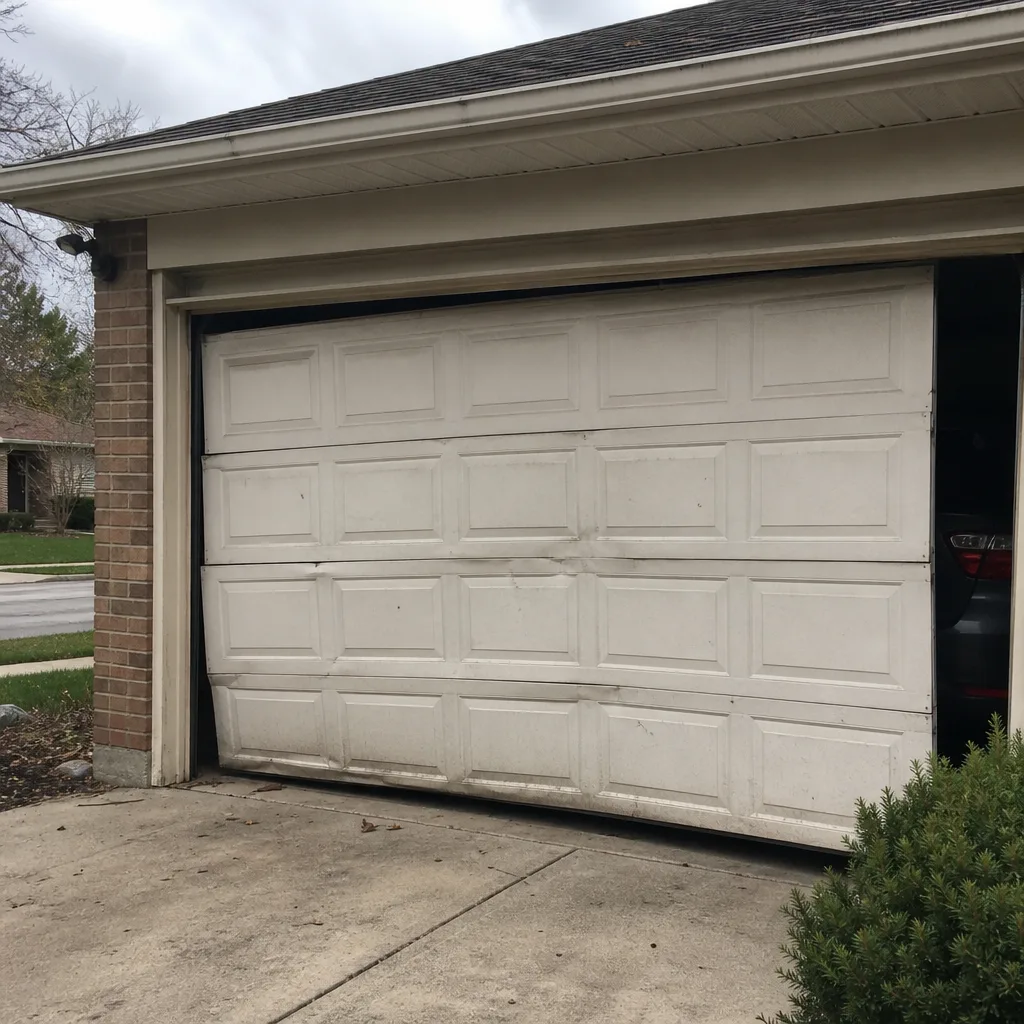 Before
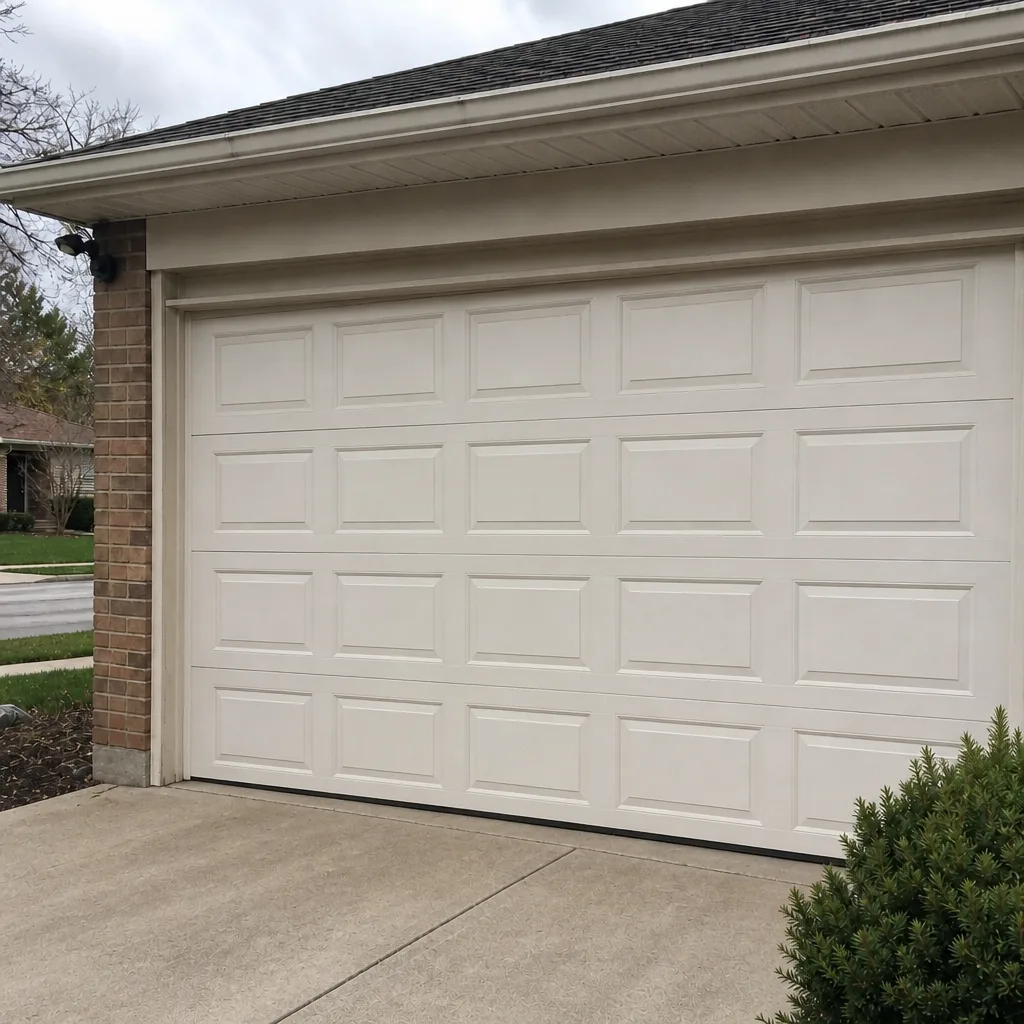 After
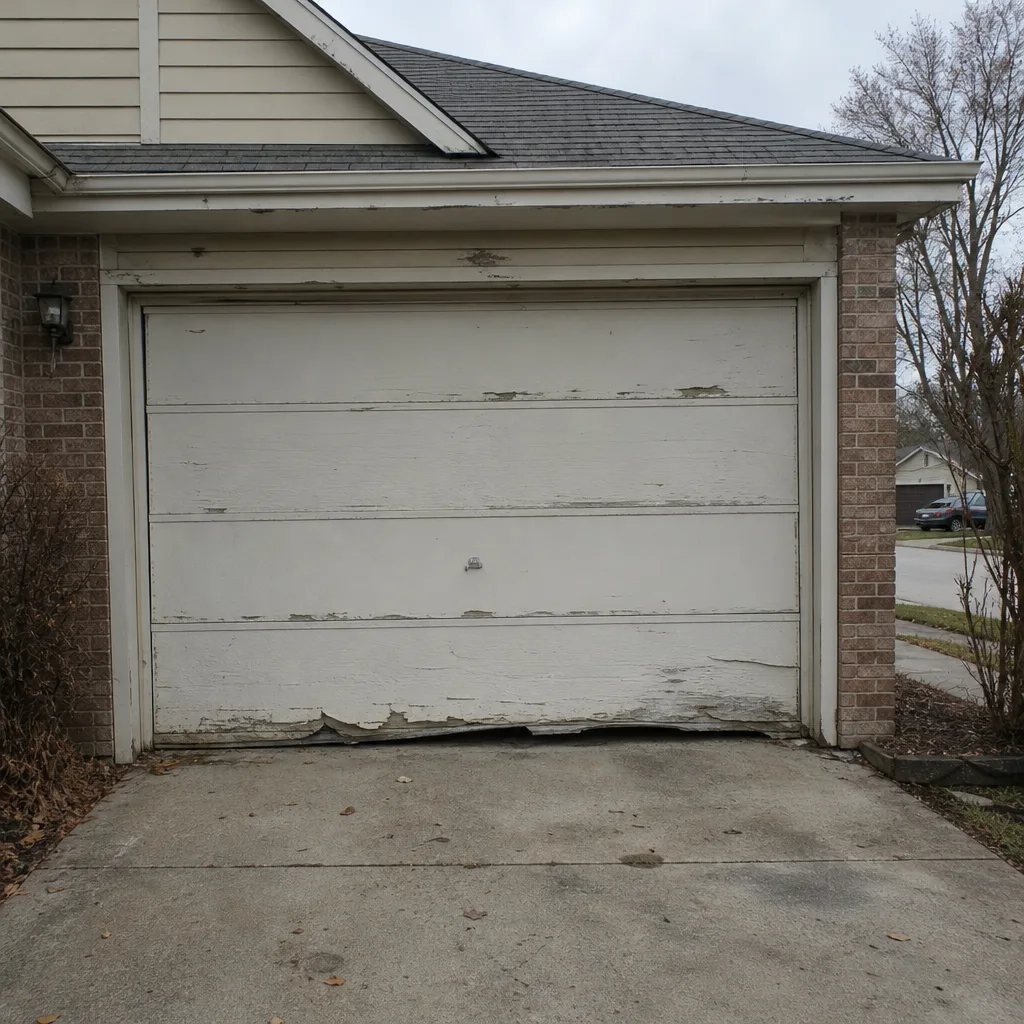 Before
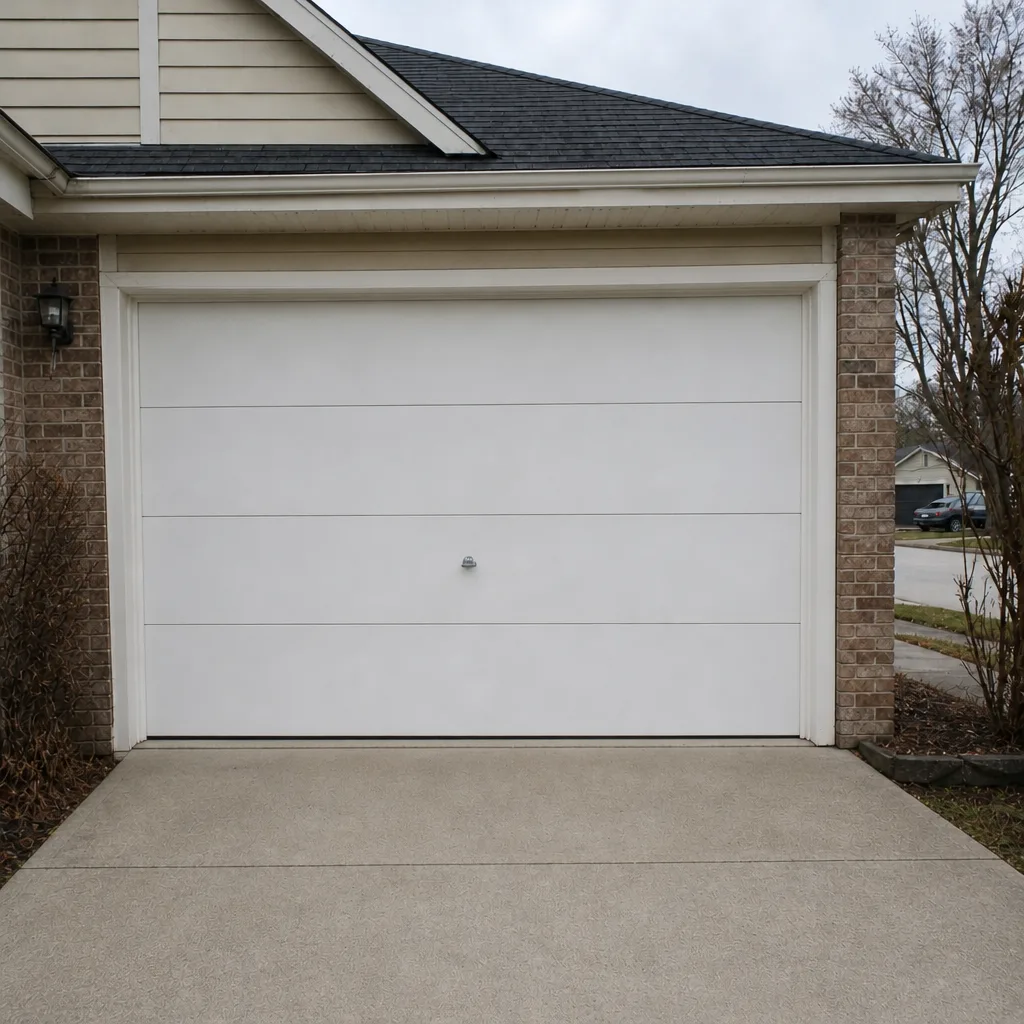 After
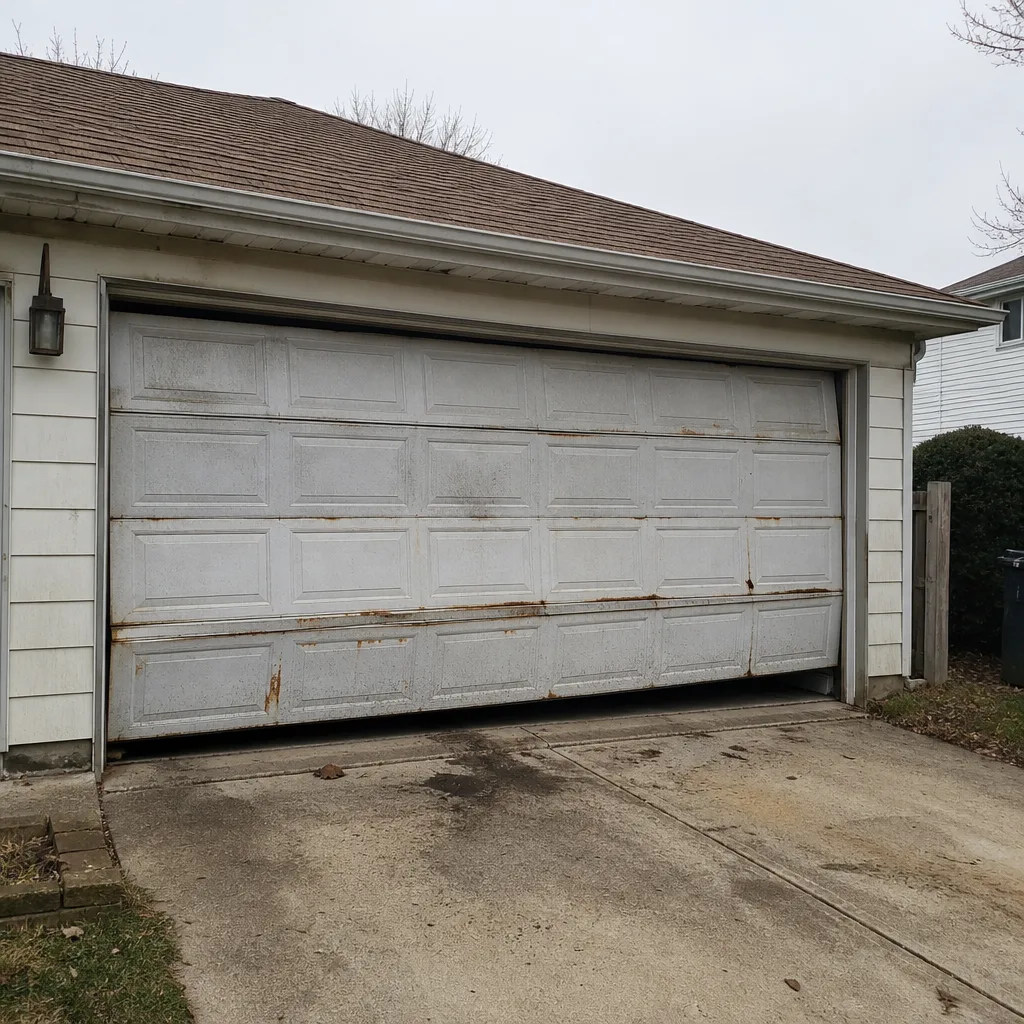 Before
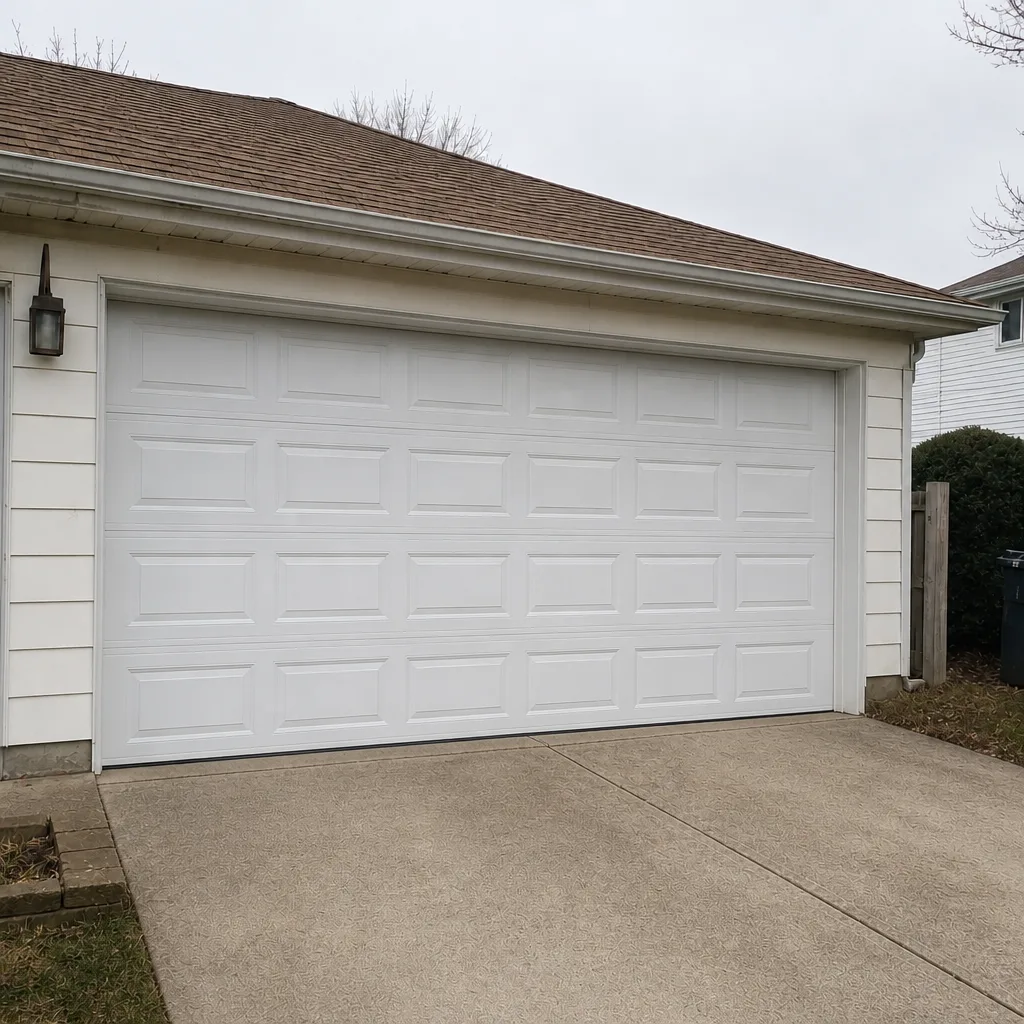 After
When to Call a Professional
Some garage door work is genuinely not a homeowner job, and permitting is a good reminder of which. Spring and cable work is the highest-risk repair on a garage door – the spring system stores enough energy to cause serious injury, and a mistake on a torsion spring or an extension spring under load is the kind of failure that sends people to the emergency room. If your door won’t close, a spring is broken, the door is hanging off one track, or an opener is running but the door isn’t moving, that’s professional territory. Permit-scoped work – a full replacement, opener electrical, header changes – should also go to a licensed and insured contractor who pulls the permit and handles the inspection. We work on the brand you already have – LiftMaster, Chamberlain, Genie, Clopay, Amarr, Wayne Dalton, Craftsman, and Raynor – and we handle springs, openers, panels, and full replacements under one call. Downers Grove Garage Door Repair Pros offers free estimates in Downers Grove – call (877) 730-4856.
Frequently Asked Questions
Yes, in most cases a full garage door replacement in Downers Grove requires a Village of Downers Grove building permit. The door is a rated assembly and the Village reviews the anchorage and label before the work closes. Call (877) 730-4856 for a free estimate that includes the permit scope.
Spring replacement, cable replacement, roller and hinge swaps, panel replacement on an existing door, track realignment, and opener motor replacement on existing wiring are typically exempt from permitting. These are repairs to existing components, not alterations to the opening. When the scope creeps toward replacing most of the door, ask the Building Division whether the project crosses into replacement territory.
The licensed contractor doing the work typically pulls the permit, or a homeowner can pull it as an owner-builder for their own residence. Contractor-pulled permits come with the contractor scheduling the inspection and carrying code compliance. Homeowner-pulled permits leave the homeowner responsible for getting the door to pass inspection. Call (877) 730-4856 to have us handle the permit paperwork as part of the estimate.
A residential garage door replacement permit in Downers Grove typically falls in the $50 to $200 range depending on door size and permit type, though the Village sets the exact amount. A permit with structural changes or a header alteration goes through plan review and costs more. Call the Village Building Division for the exact fee on your address, or call (877) 730-4856 for a free estimate that includes the permit scope.
It can. The Illinois Residential Real Property Disclosure Report asks sellers to disclose known work done without required permits, and buyers’ attorneys routinely pull the permit history from the Village. If the Village record shows no permit for a door that was clearly replaced, the buyer’s attorney will ask the seller to resolve it, often through a retroactive permit that requires opening the assembly for inspection. The closed permit at the time of installation is the simpler path.
The local professional we connect you with is licensed and insured as Illinois requires, and they pull permits in their own name when the project scope calls for one. We can work with your insurer if a claim is involved. Call (877) 730-4856 for a free estimate on a repair or replacement in Downers Grove.
The Bottom Line
The permit question on garage door work comes down to scope: repairs to existing components are typically exempt, and replacements or new electrical work typically require a Village of Downers Grove permit. The projects that need one are the ones where skipping it creates the biggest resale problem, because a buyer’s attorney can see the door and can see the permit history. A $50 to $200 permit, a few days of review, and a kept-closed permit in the home file is a small investment that removes an entire negotiation line item years later. If you’re replacing a door or adding opener electrical in Downers Grove, get the permit and have the installation done by a specialist who pulls it as part of the job. For spring, opener, or full replacement work, garage door repair in Downers Grove starts with a free estimate – call (877) 730-4856 and we’ll walk through the scope, the permit requirement, and the timeline before any work begins. The price is quoted and agreed before we start, and the written estimate sets the final number.
Written by the team at Downers Grove Garage Door Repair Pros.