Last updated November 22, 2026
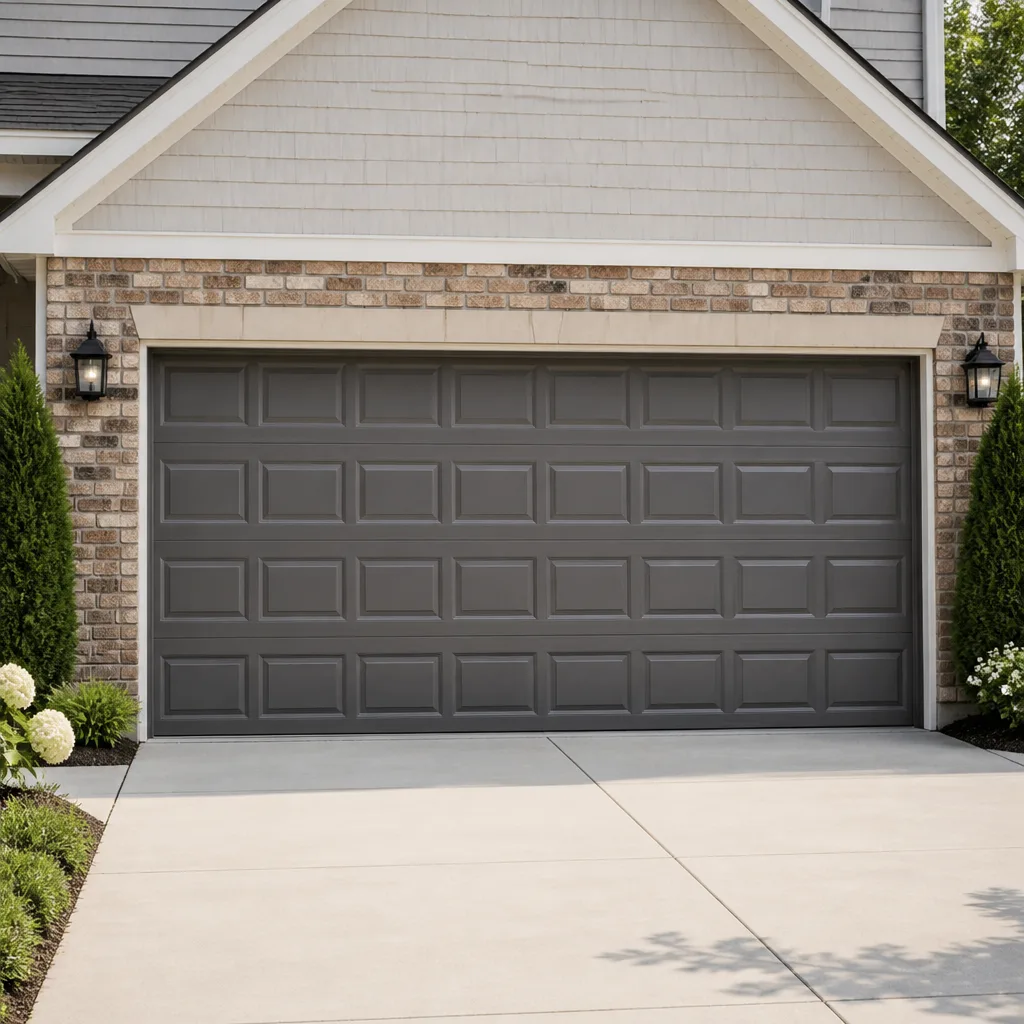 Raised-panel steel
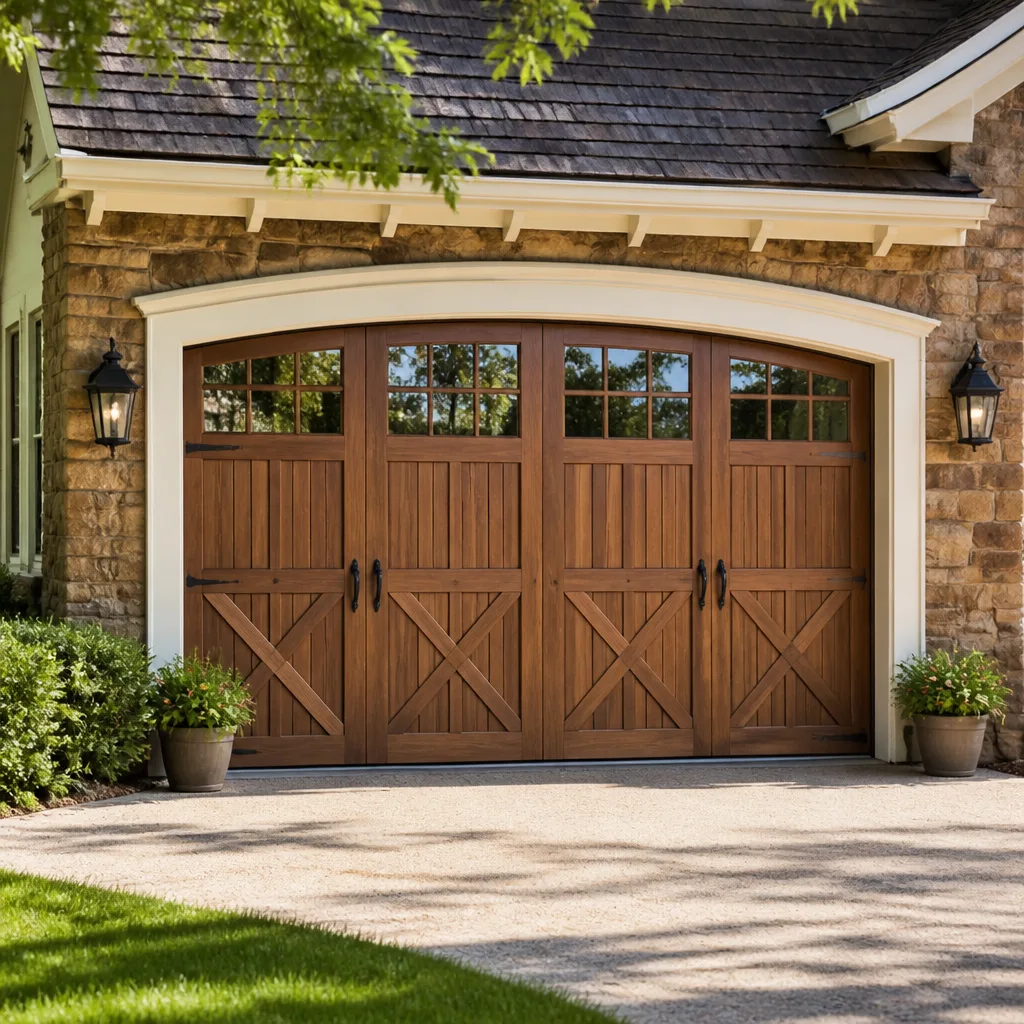 Carriage house
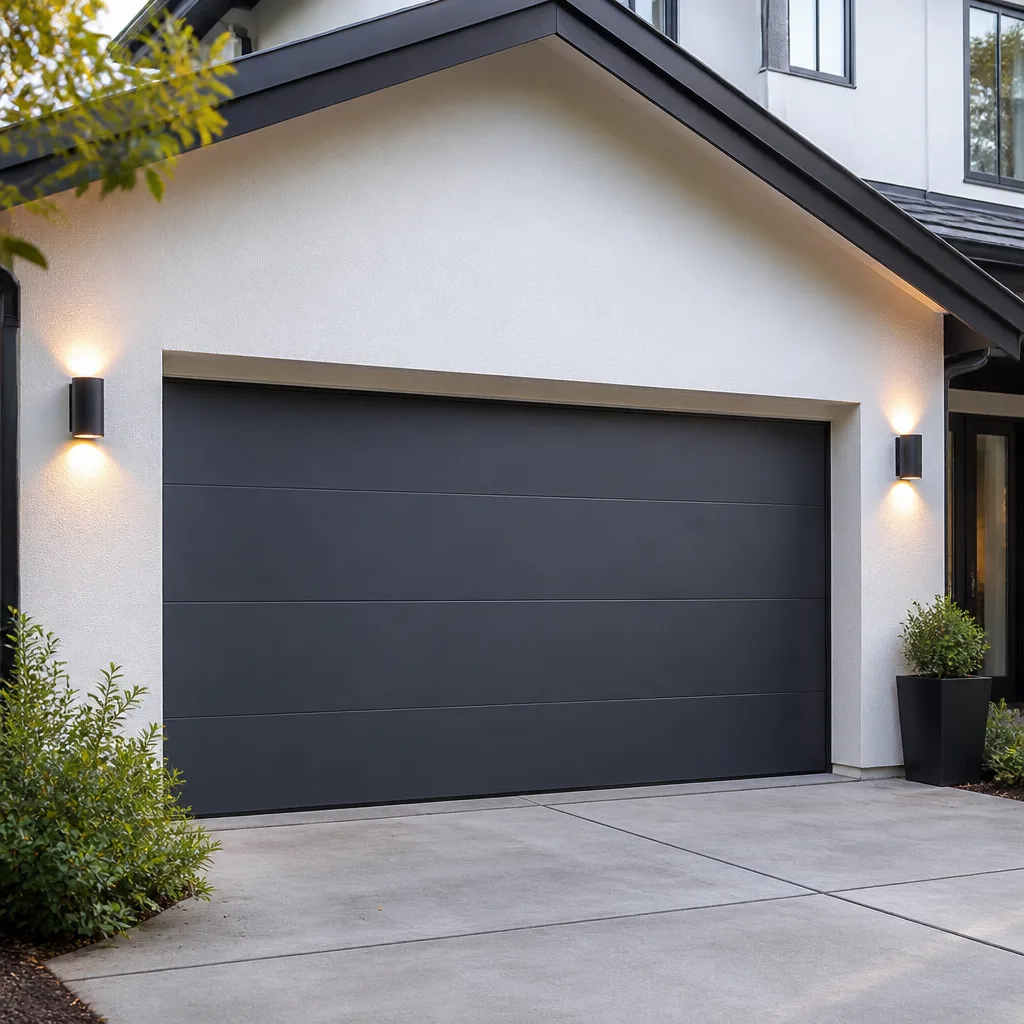 Modern flush
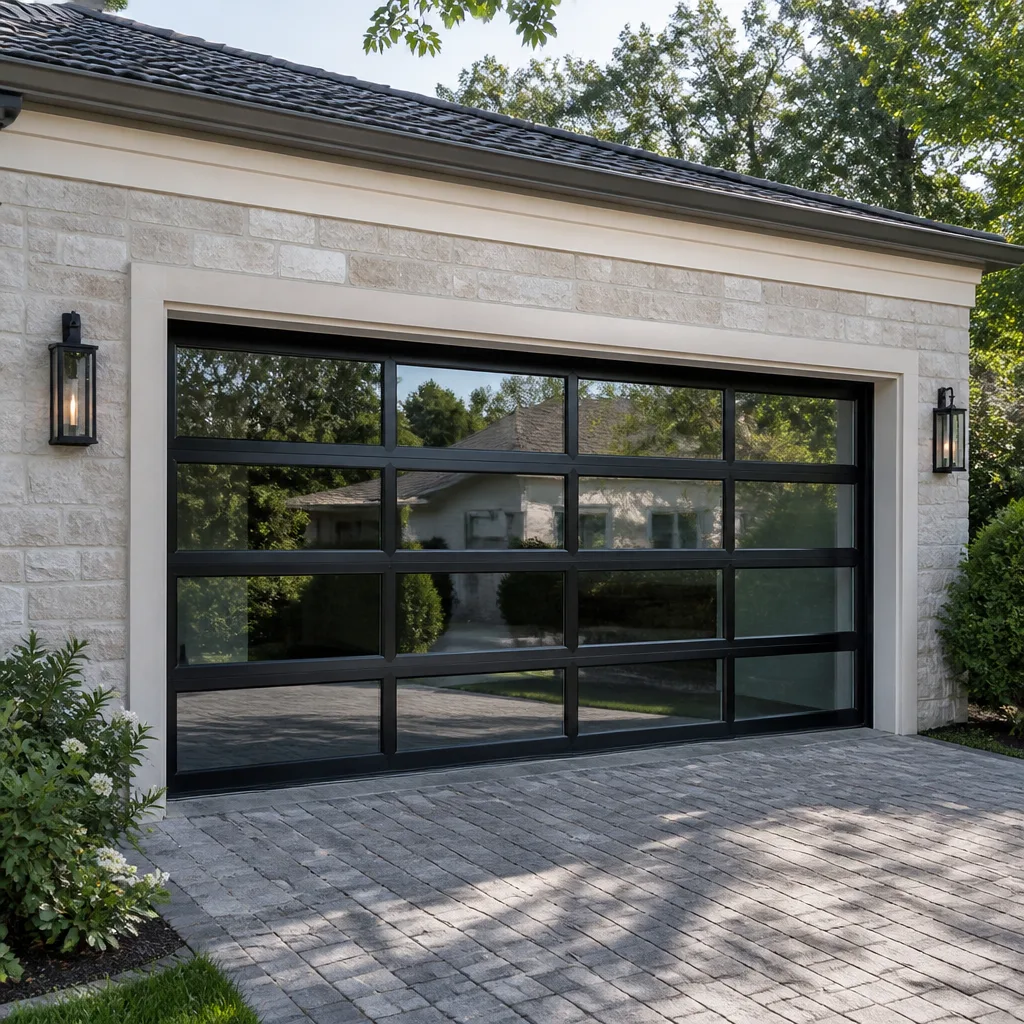 Full-view glass
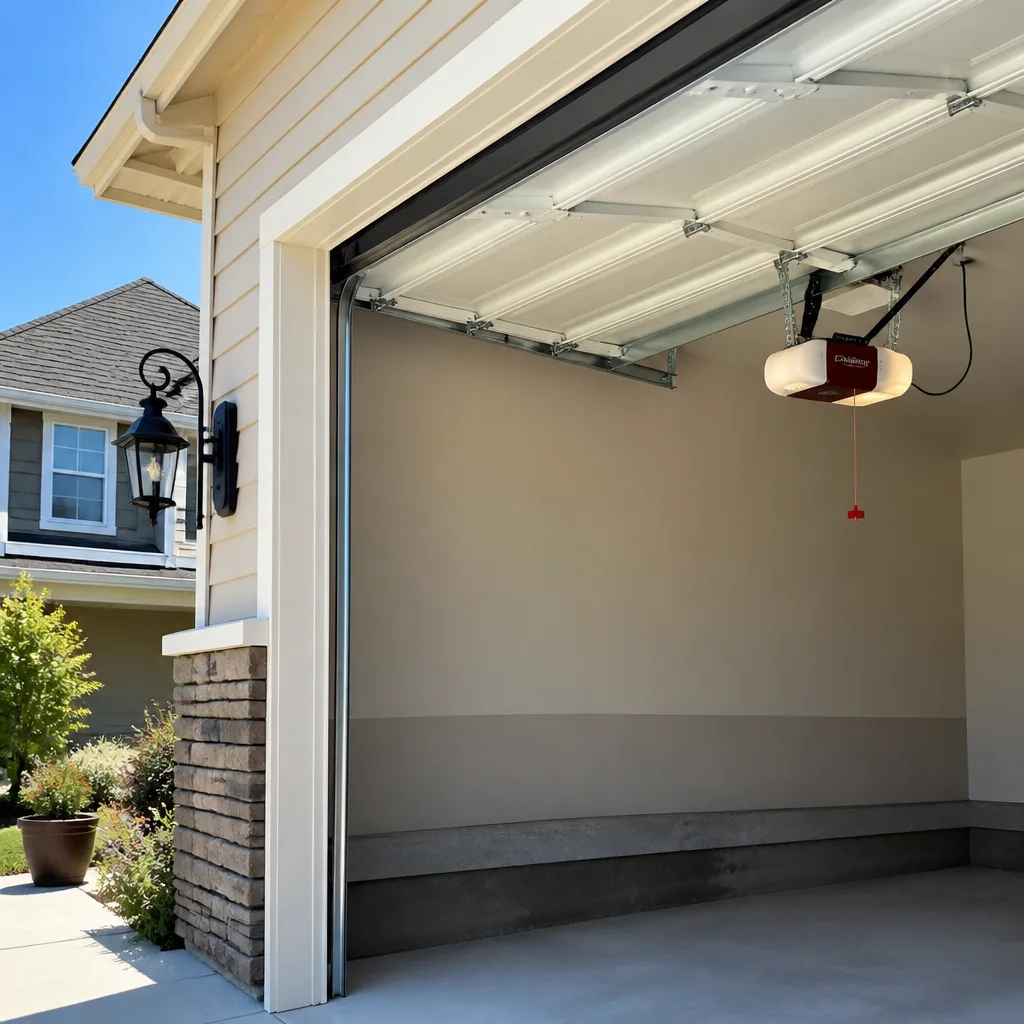 LiftMaster openers
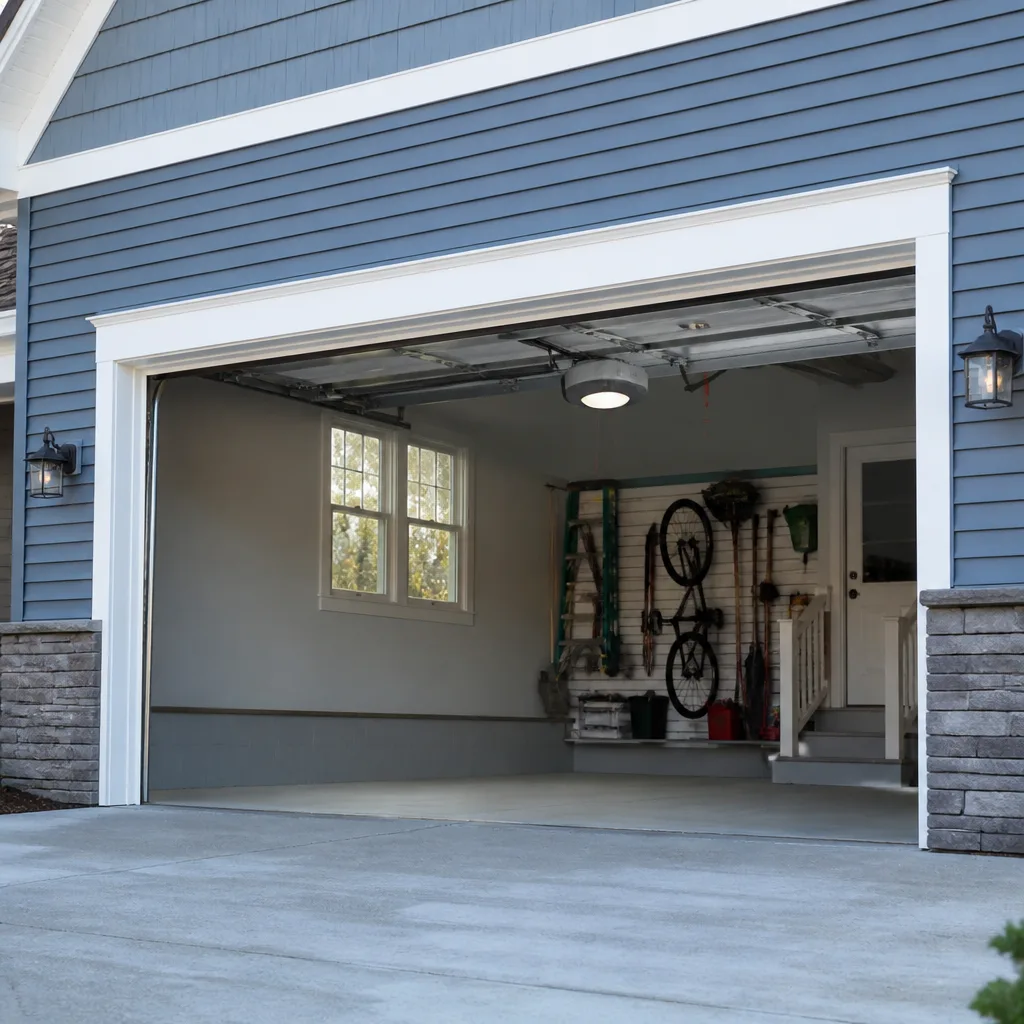 Chamberlain openers
Full 25-point door and opener safety check with every visit - springs, cables, rollers, tracks, and your LiftMaster or Chamberlain opener included
You get a price before we start. It does not change when the pro arrives.
Get your free estimateThe Complete Guide to Garage Doors in Downers Grove
Most Downers Grove homes were built between 1955 and 1990, which means the garage door system you’re living with today was likely designed before modern safety standards existed. That’s not a scare tactic, it’s a practical reality that shapes every decision you’ll make about repair, replacement, and upgrades. A door from that era may be one repair away from needing a full rethink, and the difference between a smart fix and wasted money often comes down to understanding what you’re actually working with. This guide maps every major garage door decision in Downers Grove to the local conditions that affect it: the freeze-thaw cycle, the housing stock, HOA rules, and what’s actually available from local installers. You’ll learn how to judge a repair honestly, what local permits apply, and how to avoid decisions that cost more than they should.
Quick Answer
The smartest approach to a garage door in Downers Grove is to judge the whole system, not just the broken part. If your door is under 15 years old and the hardware, tracks, and opener are in good shape, a targeted repair usually extends its life for years. If the door is older, has a pattern of repeated failures, or the panels and hardware are worn out, replacement is where your money goes further. Local winter conditions, HOA rules, and what local installers actually stock all shape which path makes sense for your specific home.
Styles & brands we work with
- Raised-panel steel
- Carriage house
- Modern flush
- Full-view glass
- LiftMaster openers
- Chamberlain openers
Table of Contents
- How the DuPage County Freeze-Thaw Cycle Wears Down Your Door
- Repair or Replace? The Decision Tree
- Springs: The Highest-Risk Component
- Openers: What to Know Before Yours Fails
- The Brand Landscape for Downers Grove Homes
- HOA Rules and What They Mean for Your Door
- Do You Need a Permit in Downers Grove?
- Seasonal Maintenance That Actually Matters Here
How the DuPage County Freeze-Thaw Cycle Wears Down Your Door
The reason garage doors in Downers Grove age differently than doors in Phoenix or Atlanta comes down to one thing: freeze-thaw. Every winter here, moisture in the ground and on the door itself cycles between frozen and liquid, sometimes several times in a single week. That’s not a small detail, it’s the single biggest driver of wear on three specific components.
Bottom seals and thresholds. The rubber or vinyl seal at the base of your door is the first thing to go. It takes on water during the day, freezes overnight, expands, thaws, then repeats. After a few winters the material stiffens, cracks, or pulls away from the door. Once the seal is compromised, cold air, moisture, and even mice get under the door. If you see daylight under the door in February, the seal is likely past its useful life.
Springs. Cold temperatures make steel more brittle. A torsion spring that’s close to the end of its cycle count can fail overnight when the temperature drops sharply, which is why so many spring failures in this area happen on the coldest mornings of the year. We see this pattern consistently in Downers Grove.
Tracks and rollers. Water gets into the roller housing, freezes, and creates friction on the track. Over time the rollers wear unevenly, the door gets jerky, and the track itself can pick up bends from ice pressure. A door that ran smoothly in October often runs rough by January.
The other local factor is snow and ice from the driveway. If your door’s bottom panel is regularly exposed to plowed or shoveled snow, that panel is being hit with moisture and grit all winter. Homes in neighborhoods like Belle Aire or Prince Pond, where driveways tend to face the street, deal with this more than homes with longer, sheltered setbacks.
The practical takeaway: inspect your bottom seal and springs before winter, not after. A cheap seal replacement in October can save you a failed spring in January on the coldest morning of the year.
Repair or Replace? The Decision Tree
This is the question we get asked more than any other in Downers Grove, and it deserves a structured answer rather than a push toward one option.
The honest logic follows a short sequence of questions. If you work through them in order, you’ll usually arrive at a clear answer.
- How old is the door? Doors installed before roughly 1993 were built before modern safety standards took hold. Some are still solid, but most have reached the end of their useful life on the mechanism.
- Is the failure singular or part of a pattern? One broken spring on an otherwise healthy door is a clear repair. Springs, rollers, cables, and opener issues all within a couple of years usually signal a system that’s worn out together.
- What’s the condition of the panels? Dents, rust at the seams, and cracked wood sections are replacement signs. Cosmetic panel replacement on a good door is sometimes reasonable, but only when the rest of the system is healthy.
- Is the opener matched to the door’s age? A new door on a 20-year-old opener usually causes problems. If you replace the door, plan for the opener too.
- What’s the quality of the current install? If tracks are out of plumb or the door was never balanced correctly, the new door will be the moment to fix the geometry, not just swap panels.
In general, on a Downers Grove home with a door under 15 years old, a targeted repair usually buys years more life. On a door from the 1960s, 1970s, or 1980s that’s been failing in different ways for a couple of years, replacement is where your money works harder. That said, an older door in genuinely good condition is often worth a fresh set of springs and rollers rather than a full swap.
The most common mistake is chasing a series of small repairs until the total spent approaches replacement cost. If you’re being quoted three separate repairs within a two-year window, ask whether replacement is now the better value.
Springs: The Highest-Risk Component
A torsion spring holds the entire weight of your door and neutralizes it every time the door moves. When a spring breaks, it releases all that energy at once. This is why spring work is the single most dangerous job in the garage door trade, and why we never recommend a homeowner attempt it.
There are two spring types you’ll find on Downers Grove doors. Torsion springs mount on a horizontal bar above the door and do the work through twisting action. Extension springs run parallel to the horizontal tracks and stretch. Both are under enough tension to cause serious injury if handled incorrectly.
Signs a spring is failing:
- A loud bang from the garage, often described as sounding like a gunshot
- A door that feels extremely heavy and won’t stay up on its own
- A visible gap in a torsion spring, or a stretched extension spring
- The door closing too fast or not lifting off the ground evenly
- A door that’s off balance: raise it halfway by hand and it falls or rises on its own
Springs are rated in cycles, not years. A standard spring rated for 10,000 cycles typically lasts several years on a house where the door is used a few times a day. A high-cycle spring lasts longer and costs more. On a Downers Grove home, cold weather failures cluster in January and February, so it’s worth knowing the cycle count on your current springs if you can find it.
Matched pairs are almost always replaced together. If one side has broken, the other is usually at the same cycle count and will follow within weeks. A pair costs roughly twice what a single spring does, and it’s the correct approach in nearly every case.
For spring issues, call a trained technician. Our garage door spring repair covers torsion and extension springs on the major brands, and we quote the price before any work starts.
Openers: What to Know Before Yours Fails
An opener is the part of the system most likely to give you warning before it fails, if you know what to watch for. The most common signs are a motor that runs but doesn’t lift the door, a remote that only works close to the unit, or a door that reverses on its own before hitting the ground.
Openers break down in a few predictable ways:
- Drive gear wear. The plastic or nylon gear inside the motor wears out. The opener runs but the door doesn’t move.
- Safety sensor failure. Aligned sensors that get knocked during snow shoveling or bumped by a car will cause the door to reverse constantly. This is often a 10-minute fix.
- Logic board failure. The board inside the housing controls everything. When it fails, the opener may go silent or behave erratically.
- Remote or keypad pairing loss. Usually a battery or programming issue, but occasionally a sign of board trouble.
For a door in Downers Grove with a 1990s-era opener, worth knowing: the safety reversing sensors mandated since 1993 are the baseline. Openers from earlier than that don’t have them, and upgrading to a modern unit with working sensors is a genuine safety improvement.
When we look at an opener, we’re checking whether the failure is the opener itself or the door’s balance. A door with a broken spring or seized roller will cause an opener to overwork, which eventually kills the opener’s motor. Fixing the opener without fixing the door just moves the failure. Our garage door opener repair team handles LiftMaster, Chamberlain, Genie, Craftsman, and Raynor units, and diagnoses which part actually failed before recommending a replacement.
If your opener is over 15 years old and its first failure has arrived, replacing it with a modern belt-drive unit usually costs close to what a major repair does and gives you quieter operation and current safety features. On a newer opener, we fix the specific failed component.
The Brand Landscape for Downers Grove Homes
Most garage doors on Downers Grove homes come from a small set of manufacturers, and understanding which is on your house helps you know what parts availability looks like.
Here’s the landscape we see most often:
- Clopay is the most common brand on homes built or updated in the last 20 years in this area. Steel raised-panel doors are the norm, and replacement panels and hardware are widely available.
- Amarr doors show up on many homes built in the 1990s and 2000s. Amarr’s steel construction is durable, and it holds up well to Midwest weather with proper maintenance.
- Wayne Dalton is common on older homes, including wood and steel models from the 1970s and 1980s. Parts are available but vary by model.
- Genie openers are everywhere in older Downers Grove homes, and Genie still supports most of its lineup.
- Chamberlain and LiftMaster are the dominant opener brands on newer installs, and they share internal components, which simplifies parts sourcing.
- Craftsman openers, sold through Sears for decades, are common on homes from the 1980s and 1990s. Parts availability has tightened, but many are still serviceable.
- Raynor doors appear on some Downers Grove homes, particularly newer builds and replacements.
The practical benefit of knowing your brand: it determines how quickly a technician can diagnose what’s likely wrong and whether the part they need is on a nearby shelf. Big-box stores in the western suburbs stock a narrow range of doors and openers, mostly entry-level models. A brand-fluent technician can source parts correctly for the door you already have, which matters most when your door is 20 years old and the panel style isn’t sold anymore.
If you’re calling for a repair, take a photo of the inside of the door and the opener label. That single photo saves a lot of time.
HOA Rules and What They Mean for Your Door
Many Downers Grove subdivisions have HOA rules that shape what your garage door can look like. This is one of the most overlooked constraints when homeowners pick a replacement door, and it’s worth understanding before you start shopping.
HOA rules typically cover:
- Panel style. Many HOAs restrict the door to a traditional raised-panel or carriage-house look and disallow modern full-view or flush-panel doors.
- Color. Door colors are often limited to a set of approved tones that coordinate with the house and neighborhood.
- Material. Wood and steel are usually accepted. Aluminum and glass are often restricted or require approval.
- Window and hardware details. Decorative hardware and window inserts often need to be specified exactly.
- Visibility from the street. Some HOAs consider the door a significant architectural element and require it to match the home’s trim and siding.
Before you buy, request the HOA’s architectural approval packet and submit your proposed door for approval before install. Most HOAs in the area have a process, and going through it upfront saves you from having to redo a door later. If your neighborhood doesn’t have an HOA, your decision is limited to Village requirements, which we cover next.
Do You Need a Permit in Downers Grove?
This is where homeowners get confused, so it’s worth spelling out.
A repair typically does not require a permit. Spring, opener, cable, roller, and track work is maintenance on existing equipment, and doesn’t change the door’s footprint or structure.
Full door replacement may require a Village permit depending on the scope. The general rule in this area is that structural changes, new openings, or anything that alters the framing trigger permits, while a direct replacement of an existing door in the same opening usually doesn’t. The safest path is to call the Village of Downers Grove Building Department before install and confirm for your specific project. Rules change, and the Building Department is the authoritative source.
Electrical work associated with a new opener, including adding an outlet or running new wiring, typically requires a permit. If the new opener plugs into an existing outlet, that’s usually not an electrical project.
New construction or additions that include a garage opening always require permits.
When you’re getting an estimate, ask the installer what permits, if any, the job requires. A specialist who works in Downers Grove regularly already knows the local process and can tell you what to expect before work starts.
Seasonal Maintenance That Actually Matters Here
Garage door maintenance for a Downers Grove home doesn’t need to be complicated. A short list, done at the right times of year, prevents most of the failures we’re called out to fix.
- October: Check the bottom seal and replace it if it’s cracked or pulling away. Lubricate hinges, rollers, and the spring with a proper garage door lubricant, not WD-40.
- November: Test the door balance. Pull the manual release and lift the door halfway. It should stay put. If it falls or rises, the springs need attention.
- November: Test the auto-reverse safety feature by placing a piece of wood on the threshold and closing the door. It should reverse on contact.
- February: After the coldest stretch of the year, look for visible damage: bent tracks, uneven door travel, or a gap where the panels meet.
- April: Wash and inspect panels for rust or cracks, and check the weatherstripping on the sides and top.
- Every year: Tighten the bolts on the hinges and the door’s opening hardware. Loose bolts cause noise and uneven wear.
The one thing not on this list is spring adjustment. Spring tension is genuinely dangerous to touch, and it’s the one maintenance job we always recommend calling a technician for. Lubricant and visual checks you can do yourself. Tension adjustments you should leave alone.
Common Mistakes to Avoid
- Replacing one spring when the pair should go together. If one side has failed, the other is on the same cycle count and typically fails within weeks. Replacing the pair upfront is cheaper than two separate service visits.
- Installing a new door on an old opener. A new door’s weight and balance are different from the old one’s, and an aging opener often fails within months of the new install. Plan for both together if the opener is old.
- Skipping the HOA approval. Buying a door your HOA won’t approve costs you the door and the reinstall. Confirm approval before you order.
- Choosing a door based on price alone. The cheapest door at a big-box store often has limited panel and hardware availability later. A mid-tier door from a brand with long-term parts support is usually the better value in Downers Grove.
- Ignoring a bent track. A slightly bent track will cause the door to run unevenly, wearing the rollers and eventually causing a bigger failure. Fix the track when you notice the door running rough, not after it fails.
- Doing spring work yourself. Torsion and extension springs are under enough tension to cause serious injury. It’s the one job in this trade we always recommend bringing in a trained technician for.
- Waiting until winter to inspect. Cold-weather failures in Downers Grove cluster in January and February. A quick check in October prevents most of them.
See the difference
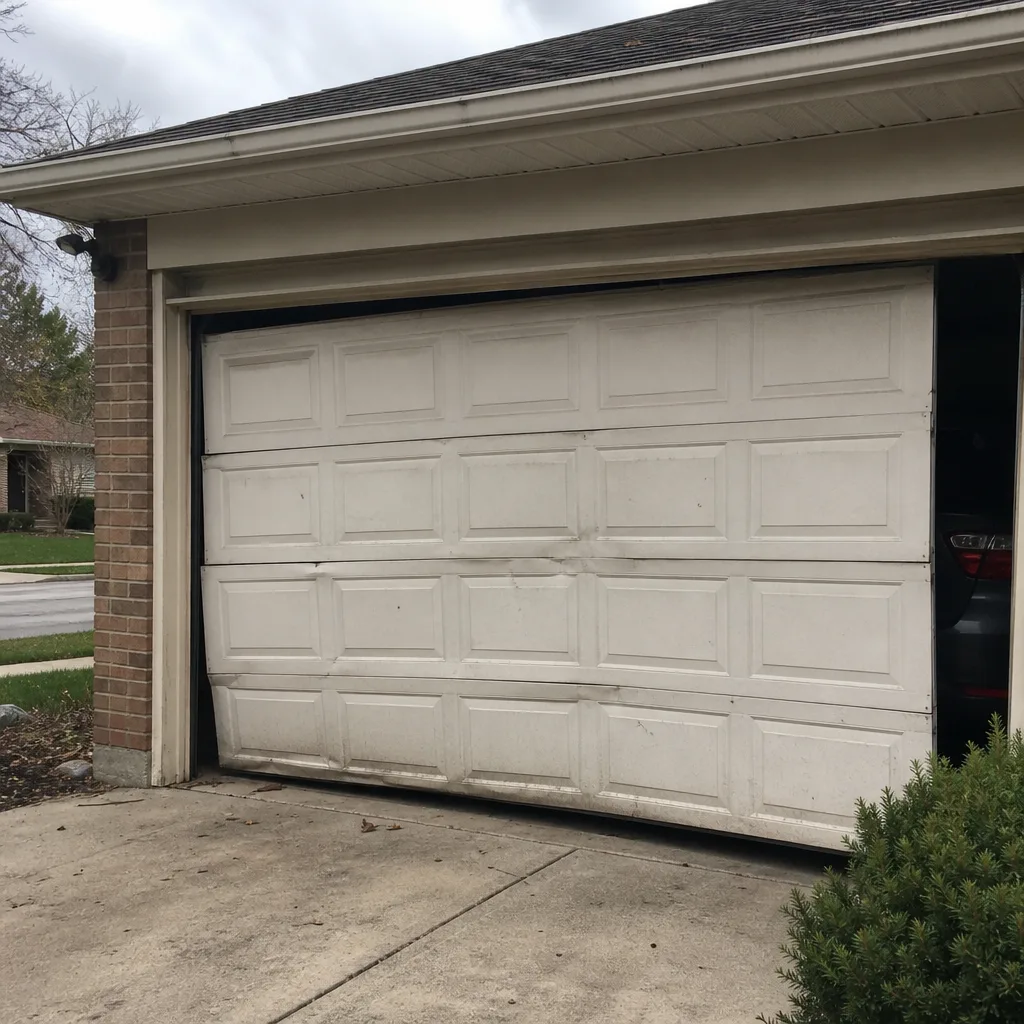 Before
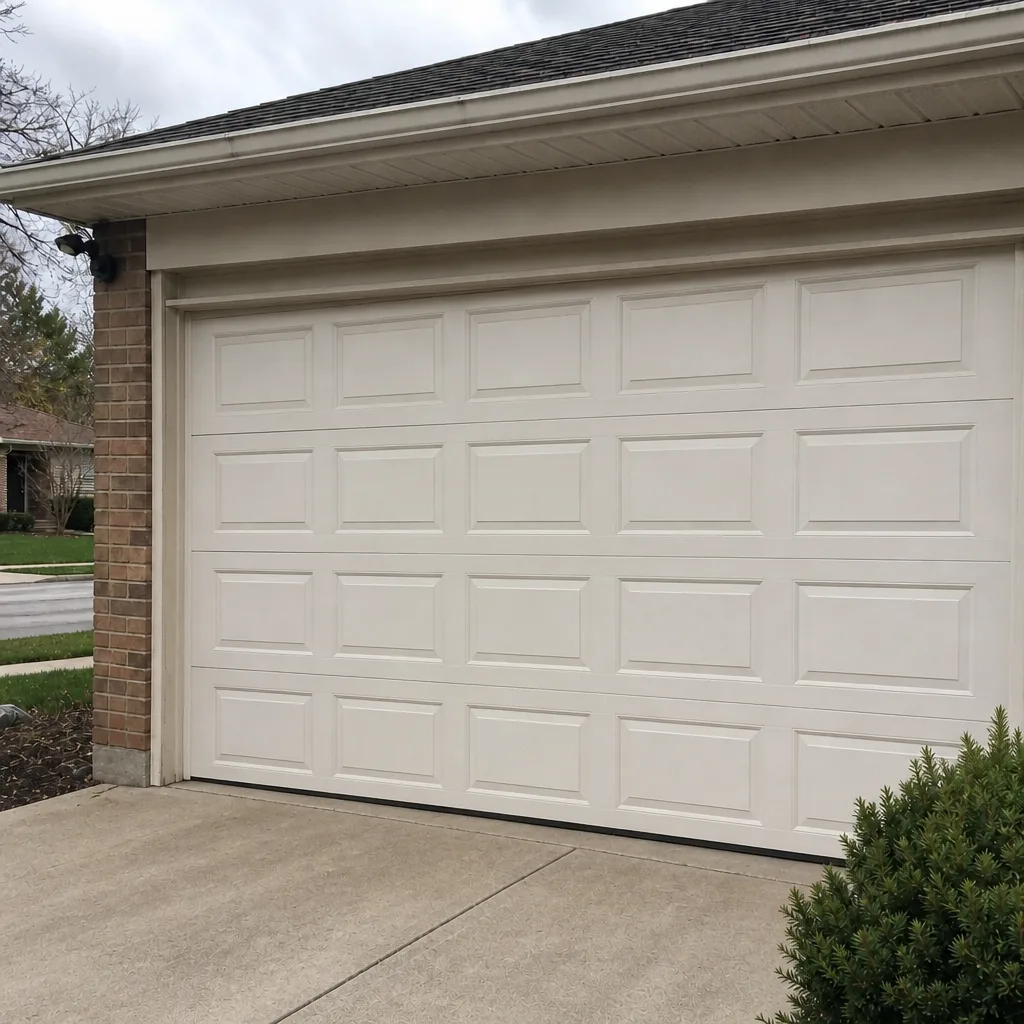 After
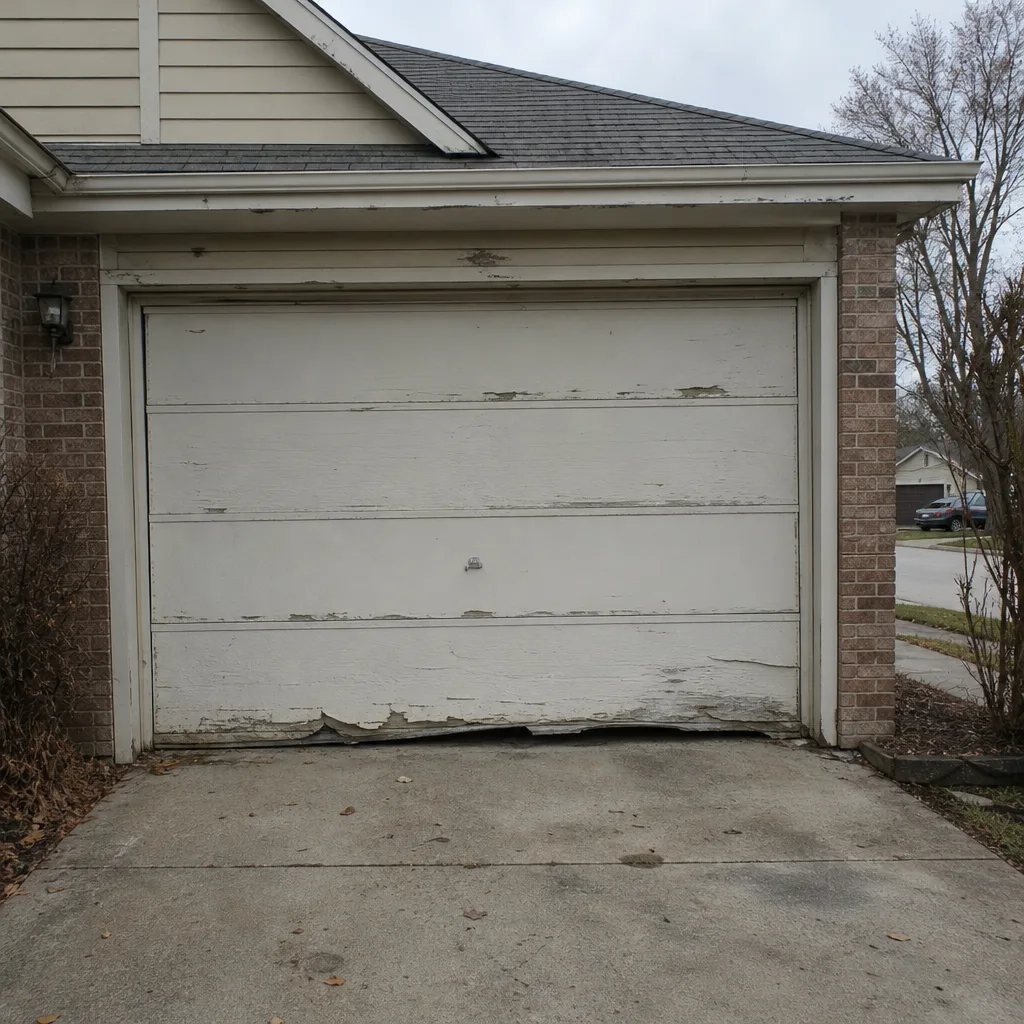 Before
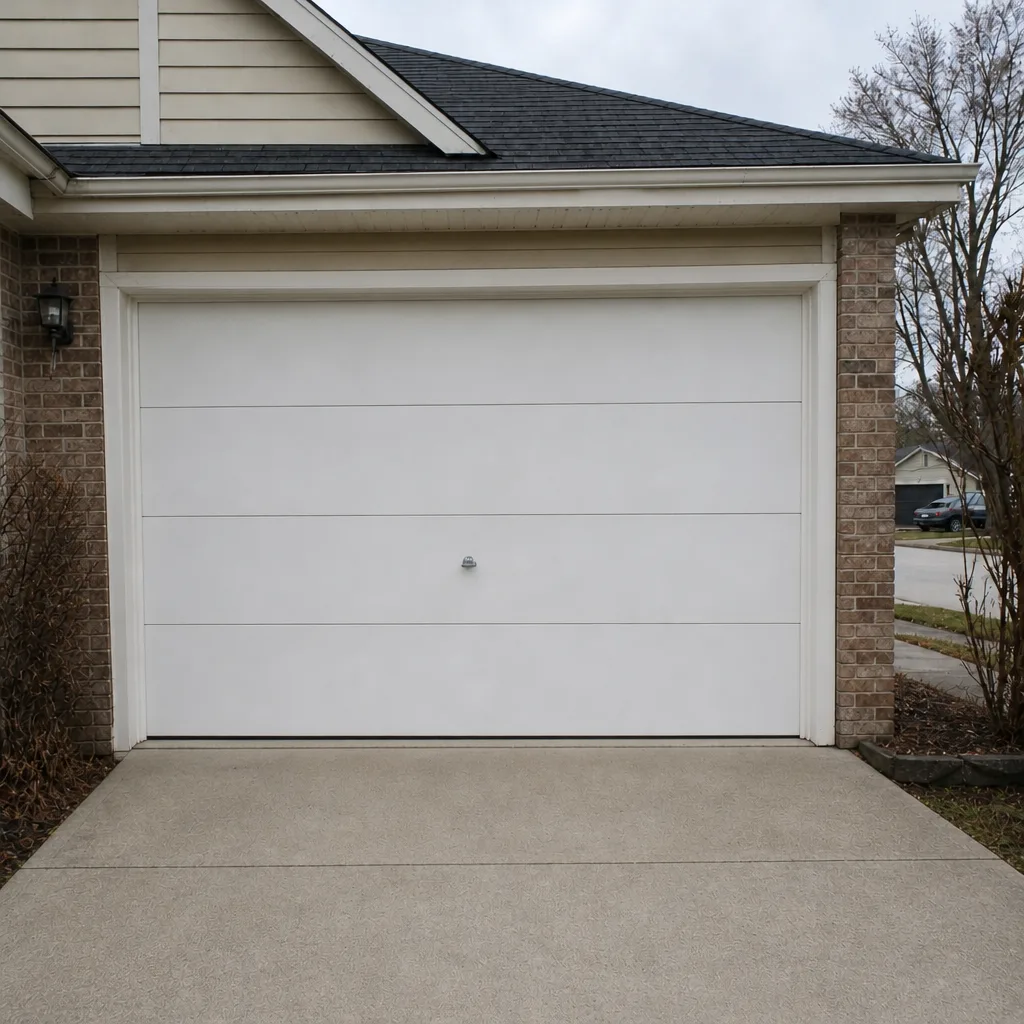 After
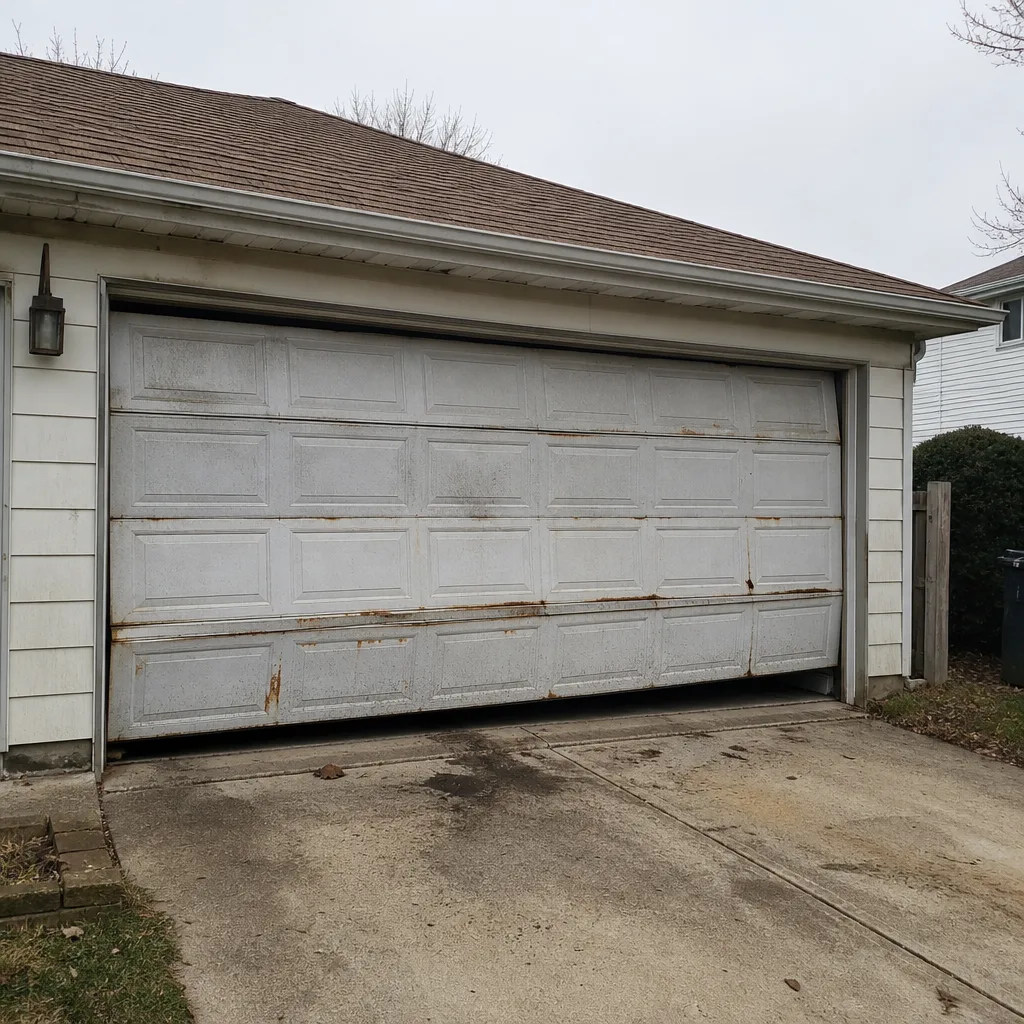 Before
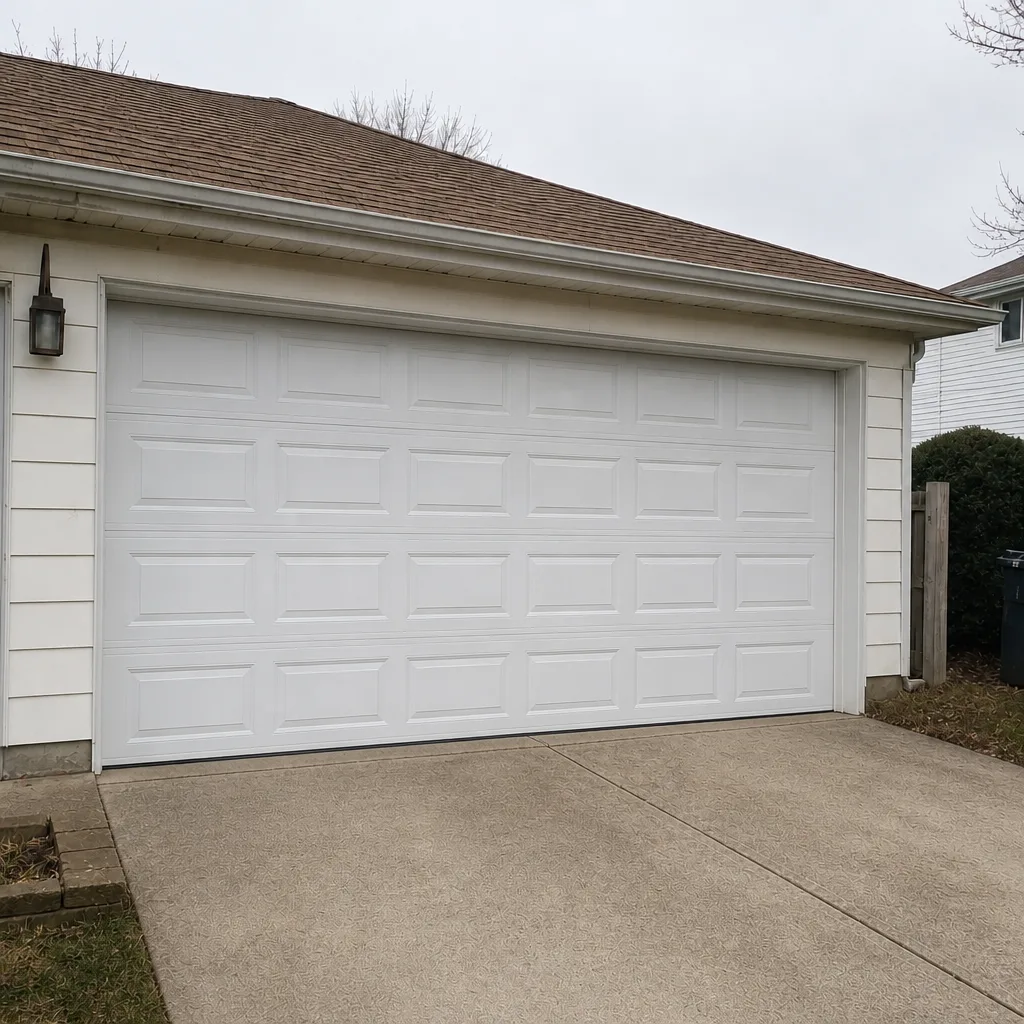 After
When to Call a Professional
Call a professional when the door won’t lift, when a spring has broken, when the opener runs but the door doesn’t move, or when you hear a loud bang from the garage. Call when the door is off balance, when tracks are bent, or when the door has closed on its own unexpectedly. Call before you install a new door if you’re unsure about HOA approval or permits. Spring work, cable work, and track work are always professional jobs. Repairs and garage door repair in Downers Grove start with a free estimate that’s quoted and agreed before any work begins.
Downers Grove Garage Door Repair Pros offers free estimates in Downers Grove. Estimated ranges for common repairs, to give you a sense of what to budget:
| Service | Typical Estimated Range |
|---|---|
| Torsion spring replacement (single spring) | $180-$340 |
| Torsion spring replacement (matched pair) | $360-$680 |
| Extension spring replacement (pair) | $150-$300 |
| Opener repair (part-level) | $120-$260 |
| New opener installation | $350-$650 |
| Bottom seal replacement | $90-$180 |
| Track or cable repair | $150-$400 |
| Panel replacement (single) | $250-$600 |
These are typical estimates for the Downers Grove area. The written estimate you receive after an on-site look sets the final price, and the price is agreed before any work starts. Call (877) 730-4856 to book a free estimate.
Repair calls that are urgent do get priority dispatch. For installations, we’ll schedule a measure and a written quote.
Frequently Asked Questions
Torsion spring replacement typically runs $180-$340 for a single spring in this area, and $360-$680 for a matched pair, which is the usual replacement on a Downers Grove door. Extension springs run $150-$300 for the pair. The written estimate you receive after a technician assesses the door is the price, and it’s agreed before any work starts. Call (877) 730-4856 for a free estimate.
Yes. We offer emergency garage door service for stuck doors, broken springs, and opener failures that can’t wait for a standard appointment. Call (877) 730-4856 and we’ll work to get a technician to you the same day when the schedule allows. Emergency calls get priority dispatch.
Often not, but the answer depends on the scope. A direct replacement of a door in the same opening usually doesn’t require a permit. Structural changes, new openings, or new electrical work typically do. Call the Village of Downers Grove Building Department to confirm for your specific project before the install date is set.
No, once the written estimate is agreed, the price doesn’t change. The estimate is based on what the technician sees during the on-site look, and it’s quoted before any work starts. If a technician finds something that changes the scope, they’ll discuss it with you first, and you decide whether to proceed.
The local professionals we connect you with are state-licensed and insured as their state requires, and they specialize in garage doors. Our technicians have up to 10 years of experience on the brands most Downers Grove homes have, including Clopay, Amarr, Wayne Dalton, Genie, LiftMaster, Chamberlain, Craftsman, and Raynor. You can ask to see credentials before work starts.
Yes. We’re set up for LiftMaster, Chamberlain, Genie, Clopay, Amarr, Wayne Dalton, Craftsman, and Raynor, which covers the vast majority of doors and openers on Downers Grove homes. If you’re not sure what brand you have, take a photo of the opener label or the inside of the door panel, and we can often identify it before the visit.
The Bottom Line
Garage doors in Downers Grove face a specific set of pressures: aging housing stock that predates modern safety standards, a DuPage County freeze-thaw cycle that accelerates wear on seals, springs, and tracks, and HOA rules that shape what a replacement door can look like. The decision between repair and replacement comes down to the door’s age, the pattern of failures, and the health of the whole system, not just the part that broke. Springs are the highest-risk job and always belong with a trained technician. Permits usually aren’t required for a direct replacement but are worth confirming with the Village. Keep the bottom seal healthy, inspect before winter, and make the call when the door stops behaving the way it should.
If you’re facing a garage door decision in Downers Grove and want a straight answer from a specialist, call (877) 730-4856 for a free estimate. We’ll look at the door, tell you what it actually needs, and quote the price before any work starts. Repairs, springs, openers, and full door replacements are all handled by Downers Grove Garage Door Repair Pros in one call.
Written by the team at Downers Grove Garage Door Repair Pros.