Last updated November 22, 2026
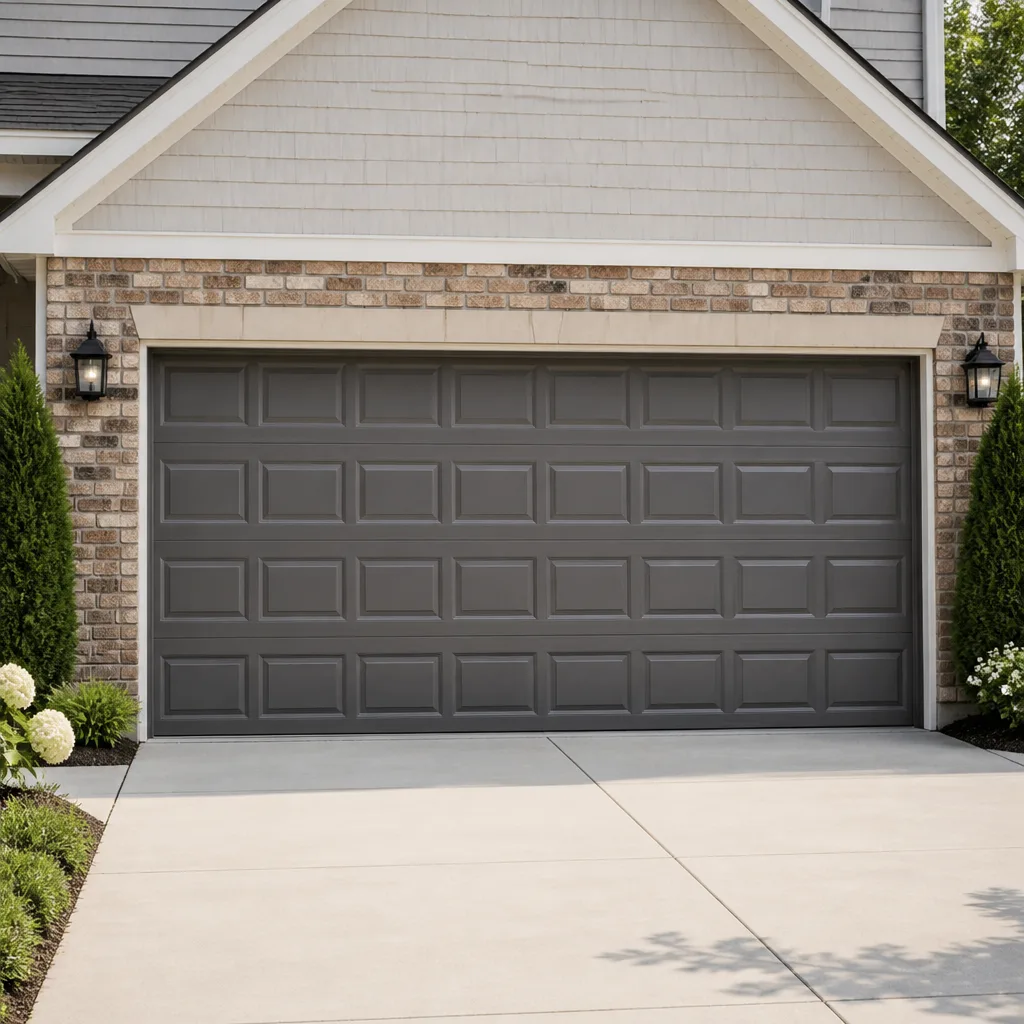 Raised-panel steel
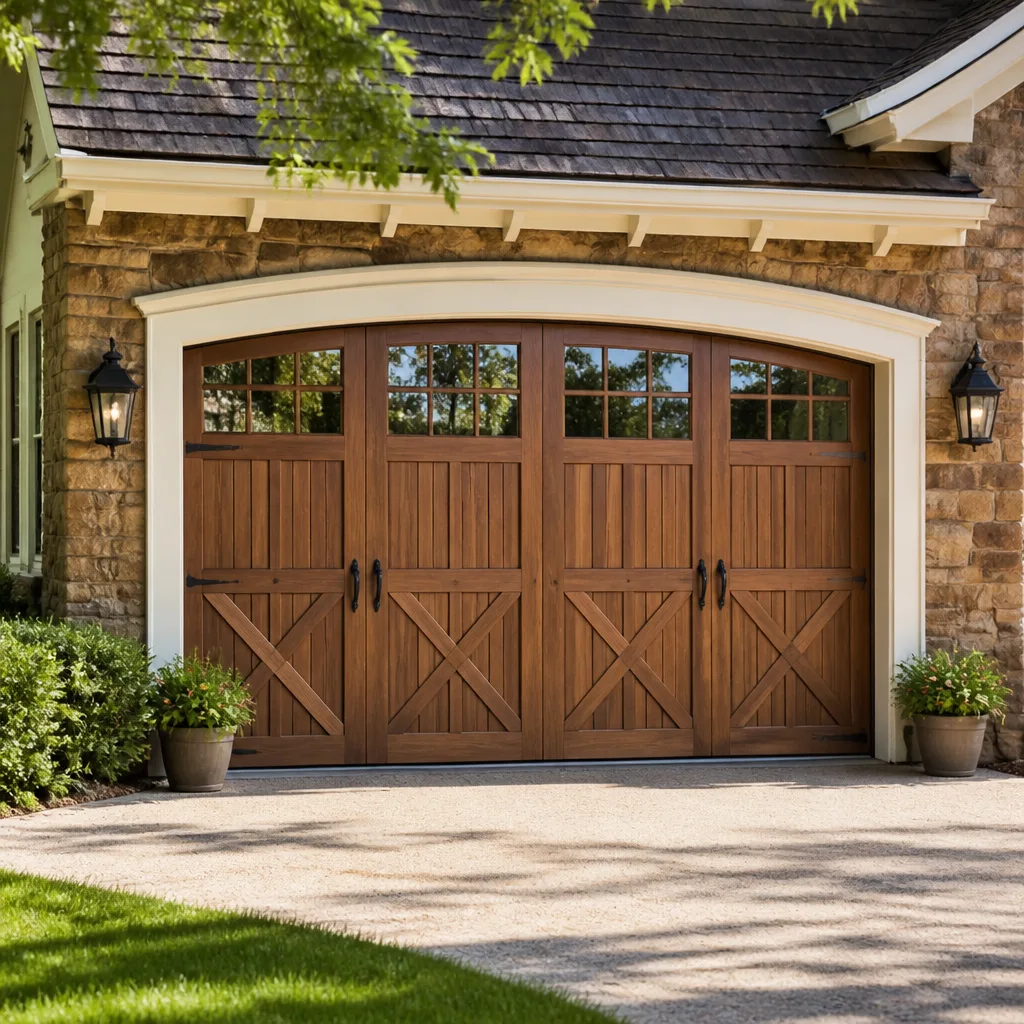 Carriage house
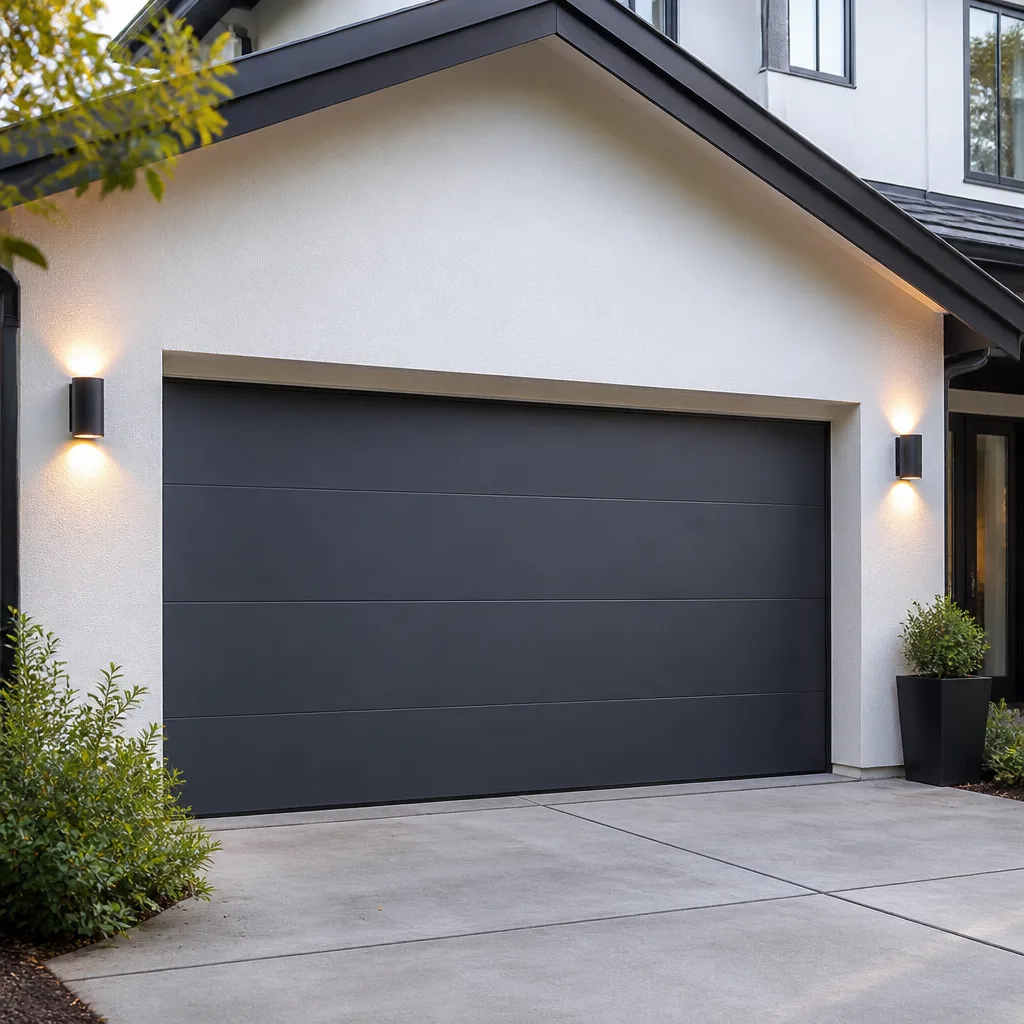 Modern flush
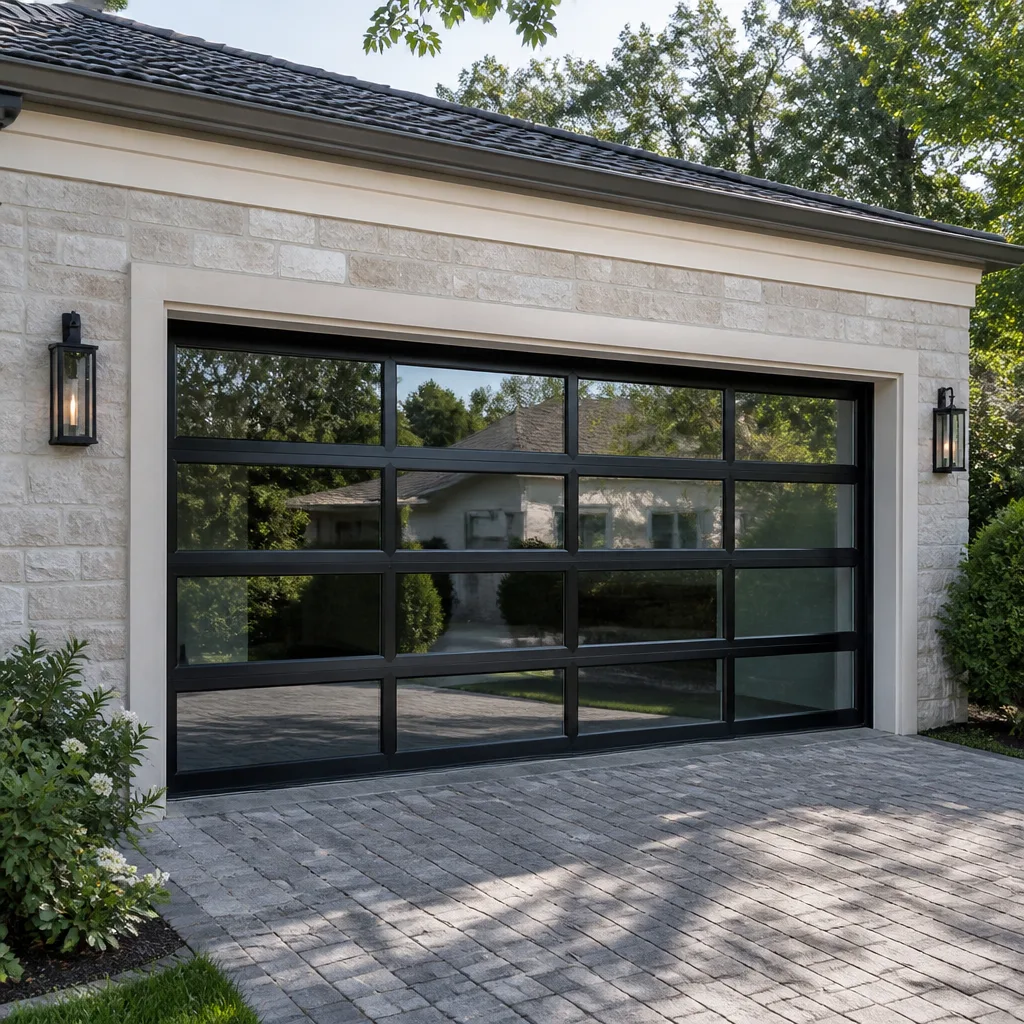 Full-view glass
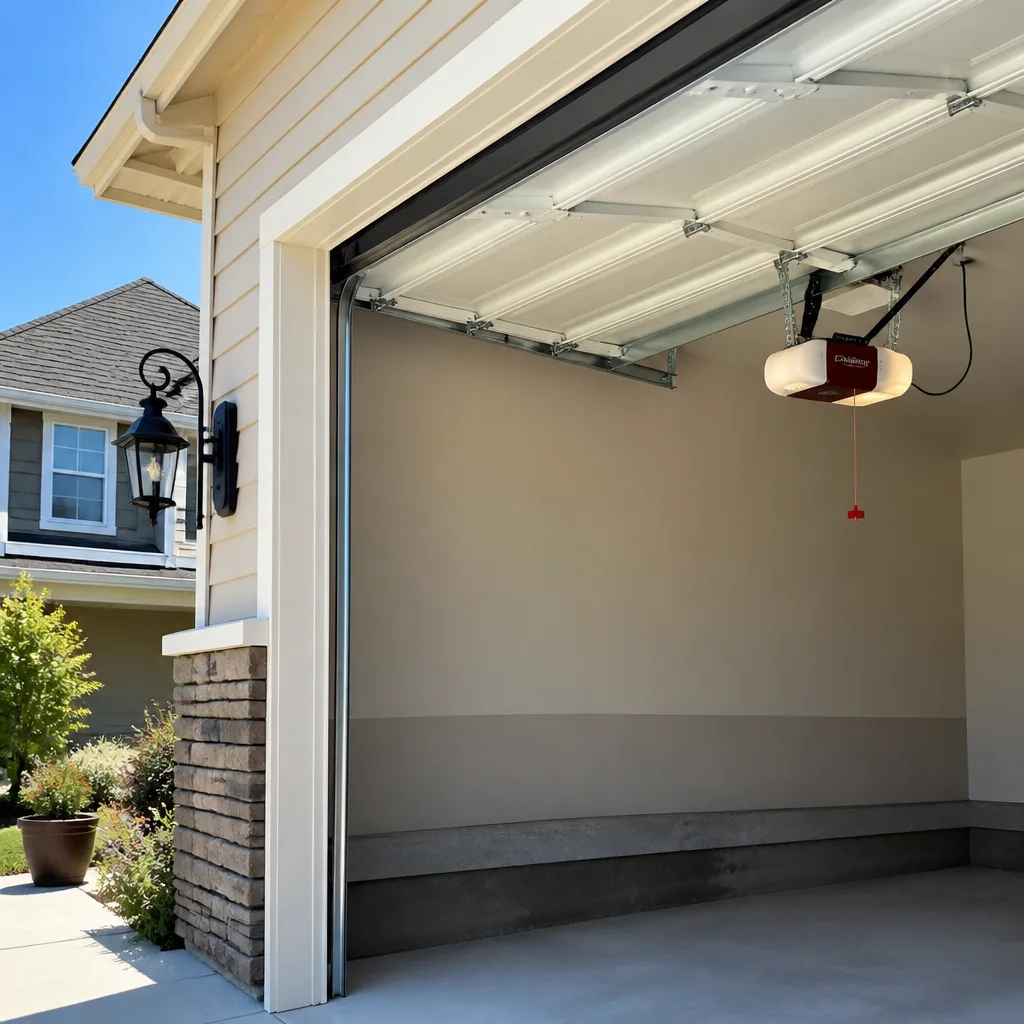 LiftMaster openers
 Chamberlain openers
Full 25-point door and opener safety check with every visit - springs, cables, rollers, tracks, and your LiftMaster or Chamberlain opener included
You get a price before we start. It does not change when the pro arrives.
Get your free estimateDIY vs Professional Garage Door: The Downers Grove Homeowner’s Decision Guide
That spring coiled above your car isn’t a spring the way a ballpoint pen has a spring. A wound torsion spring on a residential door holds roughly 200 foot-pounds of stored energy, and the cables and bottom brackets on either side of it are wrapped around the same load. That number isn’t meant to scare you away from touching your door at all. It’s meant to draw a precise line, because that line is where most DIY-versus-pro guides go vague and just say “call a professional.” This guide draws it in a specific place: the tasks on one side of the line are safe and genuinely worth your Saturday, and the tasks on the other side are not. We’ll walk through both, the Illinois homeowner rules around unpermitted work, what you actually save versus risk on a DIY opener install, and a decision framework built on your tools and skill rather than one blanket answer. We know these systems, and we’d rather you make an informed call than a hopeful one.
Quick Answer
Most garage door maintenance belongs to you: weatherstripping, lubrication, photo-eye alignment, and remote programming are safe, cheap, and worth doing yourself. Spring adjustment, cable replacement, and bottom-bracket work belong to a trained technician, because those parts hold extreme stored tension and fail violently when handled wrong. Everything between those two poles, from opener swaps to panel replacements, depends on your tools and comfort level. Call (877) 730-4856 for a free estimate if you want an expert read on where your specific job falls.
Styles & brands we work with
- Raised-panel steel
- Carriage house
- Modern flush
- Full-view glass
- LiftMaster openers
- Chamberlain openers
Table of Contents
- 1. The tasks that are genuinely safe to DIY
- 2. Where DIY stops: the mechanical reason
- 3. Illinois homeowner exemptions and when you need a licensed contractor
- 4. The real cost comparison for DIY vs professional work
- 5. A decision framework based on skill and tools
- 6. Why Downers Grove homes work their doors hard
- 7. Common mistakes to avoid
- 8. When to call a professional
Which garage door tasks are genuinely safe to DIY?
A surprising number of them, and skipping that list is how people end up paying a pro for a five-minute fix. The jobs below involve no stored spring tension and no need to lift the door’s full weight, so a careful homeowner with a ladder and a bit of patience can handle them.
- Weatherstripping and bottom seals. A cracked, brittle seal lets in cold air and water. You slide the old one out of its channel and press a new one in, or screw a new aluminum-and-rubber bottom seal to the door. It’s a twenty-minute job and a cheap part.
- Lubrication. A little garage-door-specific lubricant on hinges, rollers, and the torsion bar bearing plate keeps things quiet. Skip the tracks themselves; greasing a track attracts grit and can make the rollers slide instead of roll.
- Photo-eye sensor alignment. If the door closes a few inches and reverses, the safety sensors near the floor are usually misaligned or have a cobweb across the lens. Wipe them clean, and nudge them until the indicator lights on both sides settle to steady.
- Remote and keypad programming. Pairing a new remote or changing a code on a LiftMaster or Chamberlain opener is a button-press sequence printed in the manual. On a Craftsman or Raynor unit it’s just a few different button presses, still straightforward.
- Track wiping and hardware tightening. A damp rag down the inside of each track, plus a screwdriver on loose hinge bolts, prevents wobble before it starts.
None of that requires special tools or risk of injury. In Downers Grove, where temperature swings push weatherstripping to fail faster than in a mild climate, keeping a spare seal on hand is a habit worth building. And if you’re drawn to the door because it’s noisy or sluggish, start with lubrication before assuming something is broken.
Where does DIY stop? The mechanical reason behind the safety line
Three jobs sit on the other side of the line: torsion spring adjustment or replacement, cable replacement, and bottom-bracket work. The reason isn’t a liability disclaimer or a vague “it’s dangerous.” It’s mechanical, and understanding it is the whole point.
A torsion spring is wound to counterbalance the door’s full weight. When it’s tensioned, it stores that energy in a coiled steel bar engineered to release it in a controlled way during normal operation. When you touch it without the right winding bars and the right sequencing, the release isn’t controlled anymore. The spring can unwind in an instant, and the cables and brackets are under the same load. A cable under tension that lets go can whip; a bottom bracket that slips can move with force.
Extension springs, common on older doors, run along the sides and can snap with a sharp failure of their own. Either way, the parts are under continuous heavy load, and the correct tools exist for a reason. Winding bars let a technician hold and transfer that load step by step, in the right direction, without it ever getting loose. You cannot substitute a screwdriver or a pair of pliers for that, and people who try it get hurt.
So this is where we’d stop you, not because we want the job but because the safety math doesn’t work. If your door won’t open, or you see a visible gap in the coil or a snapped cable, that’s a garage door spring repair situation, and it goes to a trained professional. The door staying closed until someone qualified looks at it is the safe outcome.
How do Illinois homeowner exemptions work for garage door work?
Illinois gives homeowners an exemption for work on their own primary residence, but that exemption has edges, and garage doors in particular sit in a gray zone. Here’s the practical breakdown; for anything specific to your property, ask the Village of Downers Grove’s building department directly.
- Owner-occupied, single-family repair. Routine maintenance and like-for-like repairs on your own home generally fall under the homeowner exemption. Replacing a bottom seal or swapping a remote typically falls here.
- Structural or permit-triggering work. Changing a door opening, altering the frame, or adding a new opening usually triggers a permit, and that pulls the work out of the DIY exemption and into licensed-contractor territory.
- Electrical work on the opener circuit. Running a new circuit or relocating an outlet for an opener is electrical work. Illinois treats that differently from plugging a new opener into an existing outlet, and it’s the point where a homeowner exemption may not cover you.
- Rental or non-owner-occupied property. The exemption is for your own home. If the property is a rental, the rules tighten considerably.
The honest summary: the small maintenance tasks are almost never a permit issue, the bigger structural or electrical changes often are, and the spring and cable work that carries the most injury risk is the same work we recommend leaving alone anyway, exemption or not. Your municipality is the authority on what needs a permit, so a quick call before you start is worth the time. We work on doors across Downers Grove regularly and always recommend homeowners verify with the village before any structural change.
What do you actually save on DIY opener installation?
Less than people think, and the gap narrows once you account for the ways it can go wrong. A DIY opener install looks like a money saver on paper because you aren’t paying for labor. The hidden costs come in three forms: warranty, callback, and rework.
- The part price is roughly the same either way. You buy an opener at retail; a professional sources the same unit. The savings are in labor alone, which is the smaller half of the equation.
- Improper installation can void the warranty. Mount the opener to the wrong point, skip the safety reversal test, or wire the wall control incorrectly, and the manufacturer can decline a claim on a unit that fails early. On a LiftMaster or Chamberlain smart opener, that’s a real loss.
- Callback costs eat the savings. If the door doesn’t travel smoothly, the carriage binds on the rail, or the safety sensors won’t stay aligned, you either redo the work or pay a pro to diagnose a half-finished install. That second visit usually erases the labor you saved.
- Springs and cables are non-negotiable. When an opener install turns into “now the spring is out of balance,” you’re not saving anything, you’re now paying for the dangerous job on top of a door that won’t open.
We’ve seen plenty of DIY opener jobs that went fine, and we’ve seen plenty that ended with a call for garage door opener repair within a month. If you’re comfortable on a ladder, can follow wiring diagrams, and have a helper, a DIY opener swap is a legitimate weekend project. If any of those is a no, the savings are thinner than they look.
A practical decision framework for Downers Grove homeowners
Rather than a blanket answer, run your project through the questions below. It sorts most jobs correctly in about two minutes.
- Does it involve the spring, cables, or bottom brackets? If yes, stop and call a professional. That’s the hard line, and no amount of confidence moves it.
- Does it involve lifting the door’s weight or removing the door from its track? If yes, that’s two-person, load-bearing work with an injury risk. Best handled by a trained technician.
- Do you have the actual tools? For DIY routine jobs, that means a ladder, socket set, screwdriver set, and a tube of door lubricant. For opener work, add a drill and basic wiring skill. No tools, no job.
- Is it structural, electrical, or permit-triggering? If yes, a licensed professional is the safe route, per the Illinois rules above.
- Are you under deadline pressure? A door that’s your primary entry and needs to work tonight is a bad DIY candidate. A door that can sit open for a weekend is a good one.
- Is your door old or a specific brand? On a Craftsman or Raynor unit, harness, and bracket quirks vary by model, and a pro familiar with those brands avoids a wrong-part trip. That’s the practical argument for a garage door repair specialist when the fix isn’t obvious.
We’ve worked with homeowners across Downers Grove who are perfectly capable of the safe tier and know it. The framework isn’t a pitch to take everything to a pro. It’s a way to be honest with yourself about where the line actually is.
Why Downers Grove homes work their doors hard
A garage door here takes more abuse than one in a mild climate. Downers Grove sits in a region with wide seasonal swings: humid, hot summers that warp wood and stress seals, and cold winters that make metal brittle and can freeze a door to the floor. Neighborhoods like Belmont, Denburn Woods, and the older blocks near downtown have a lot of homes where the garage is a primary entry point, not just parking, so the door cycles dozens of times a day for years.
That constant cycling is what actually wears springs, rollers, and openers. Before it’s a repair question, it’s a maintenance one, and that’s why the small DIY tasks matter more here than in a place with gentler weather. A door that gets lubricated and re-sealed once a season lasts longer and fails less abruptly. Ask any experienced tech what kills a door fastest and they’ll point at vibration and temperature, and Downers Grove has both.
One more thing: neighbors talk. A door that’s been working fine on your street for a decade is telling you that the brand, the installer, and the upkeep all held up. When it finally needs work, use that as your reference point and ask for Downers Grove Garage Door Repair Pros to look at what you’ve got.
Common Mistakes to Avoid
- Treating a wound spring as a “loosening” job. A torsion spring is under heavy load, and touching it without winding bars and a plan is the most common way DIY injuries happen. Leave spring work to a trained tech; no shortcut is worth it.
- Greasing the tracks instead of the rollers. People see a squeaky door, spray grease on the track, and attract grit that wears the rollers faster. Lubricate hinges, rollers, and bearing plates only.
- Assuming a door that won’t close needs a new opener. Nine times out of ten it’s a misaligned photo-eye sensor or a blocked lens. Check the small stuff before spending on hardware.
- Installing an opener without testing the reversal. Skipping the safety reversal test, where the door should reverse when it meets an obstacle, is a quiet way to void a warranty and create a hazard. Test it every time.
- Starting a structural change without checking with the village. Downers Grove’s building department has the final word on permits, and beginning work without a needed permit can mean rework later.
- Buying parts for a brand you don’t know. A Craftsman, LiftMaster, Chamberlain, and Raynor opener can look similar but take different remotes and wall controls. Match the exact model before you order.
- Letting a small seal problem wait out the season. In a Downers Grove winter, a compromised bottom seal lets meltwater and cold air in, and the freeze-thaw cycle makes it worse. Replace it while it’s a ten-dollar part.
See the difference
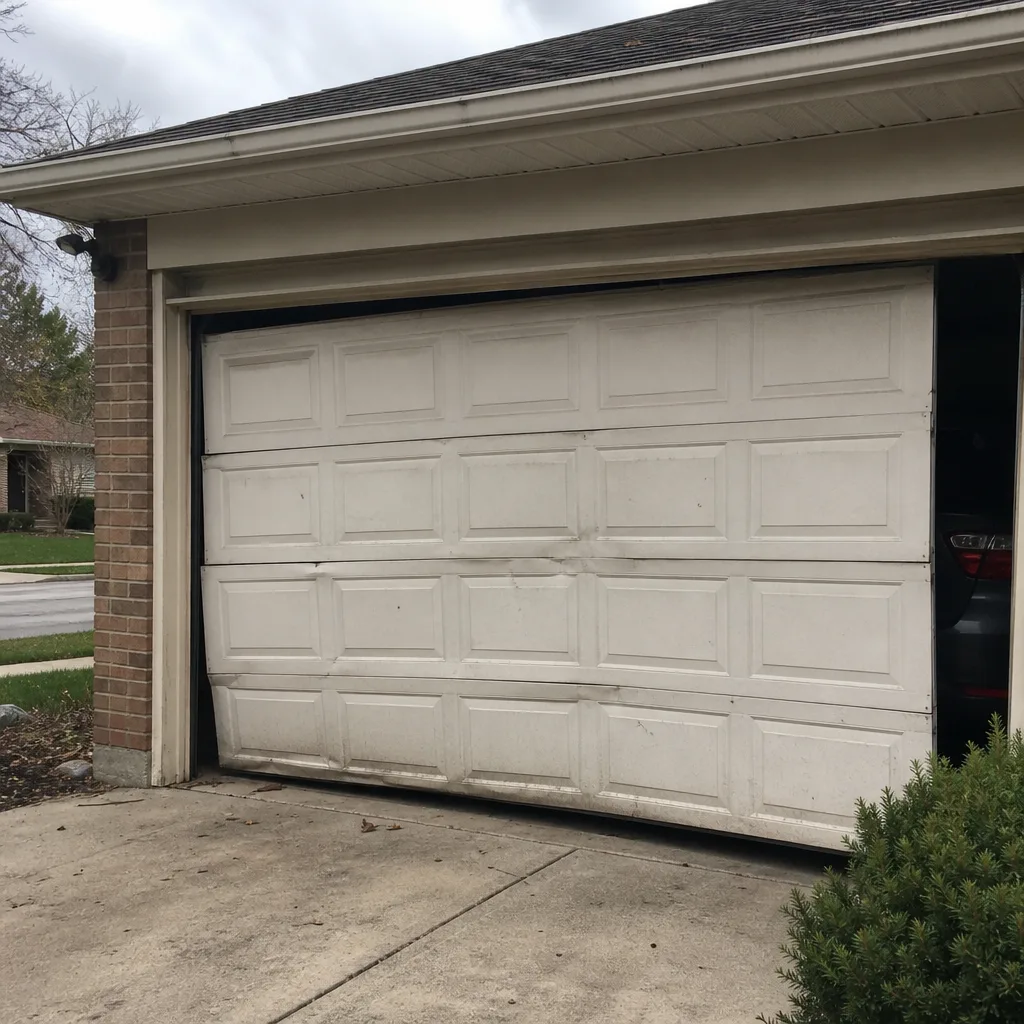 Before
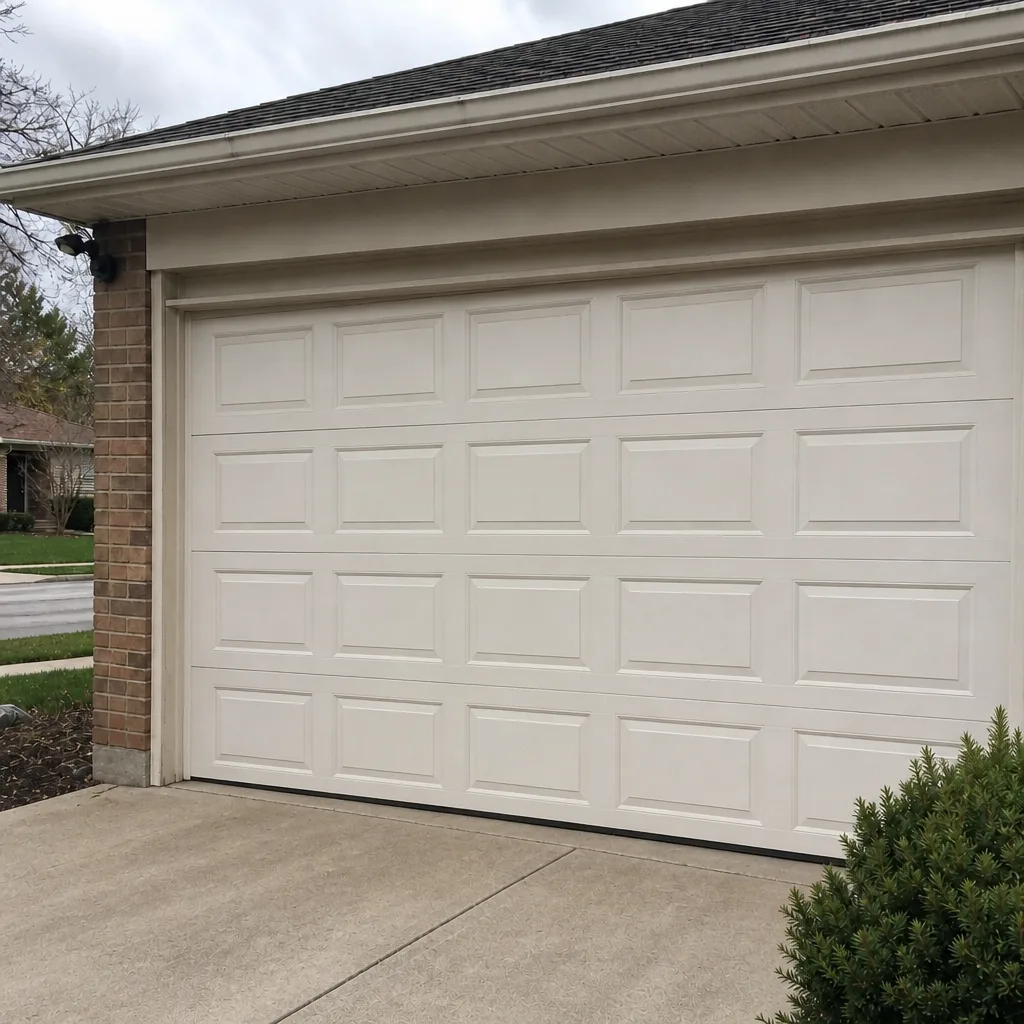 After
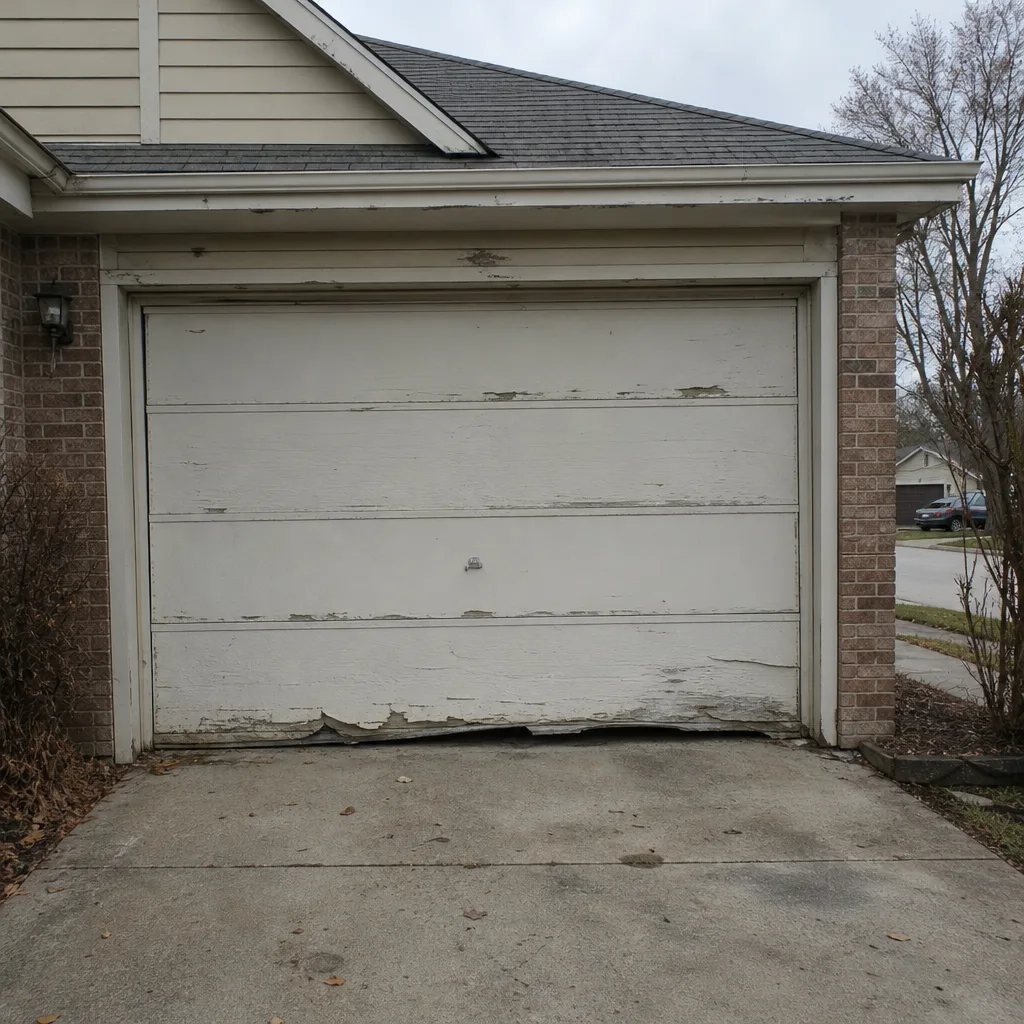 Before
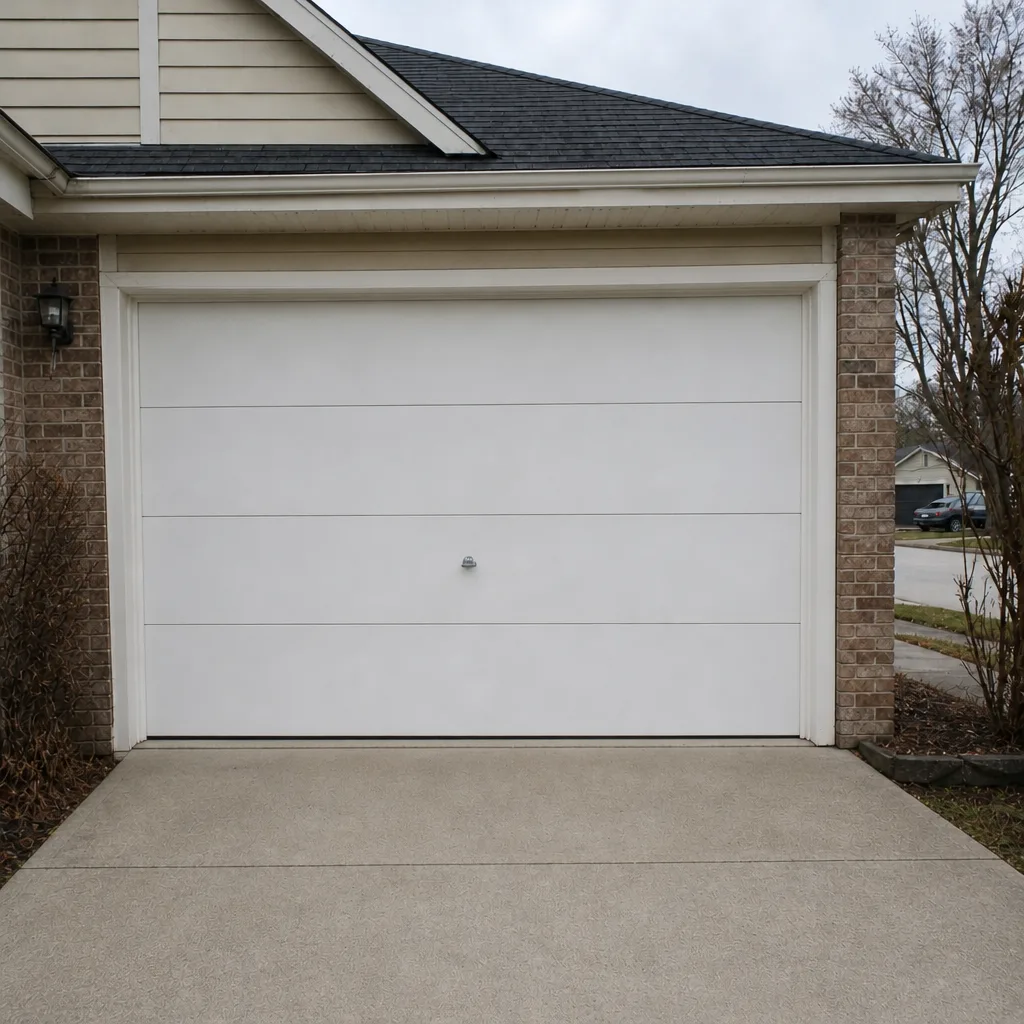 After
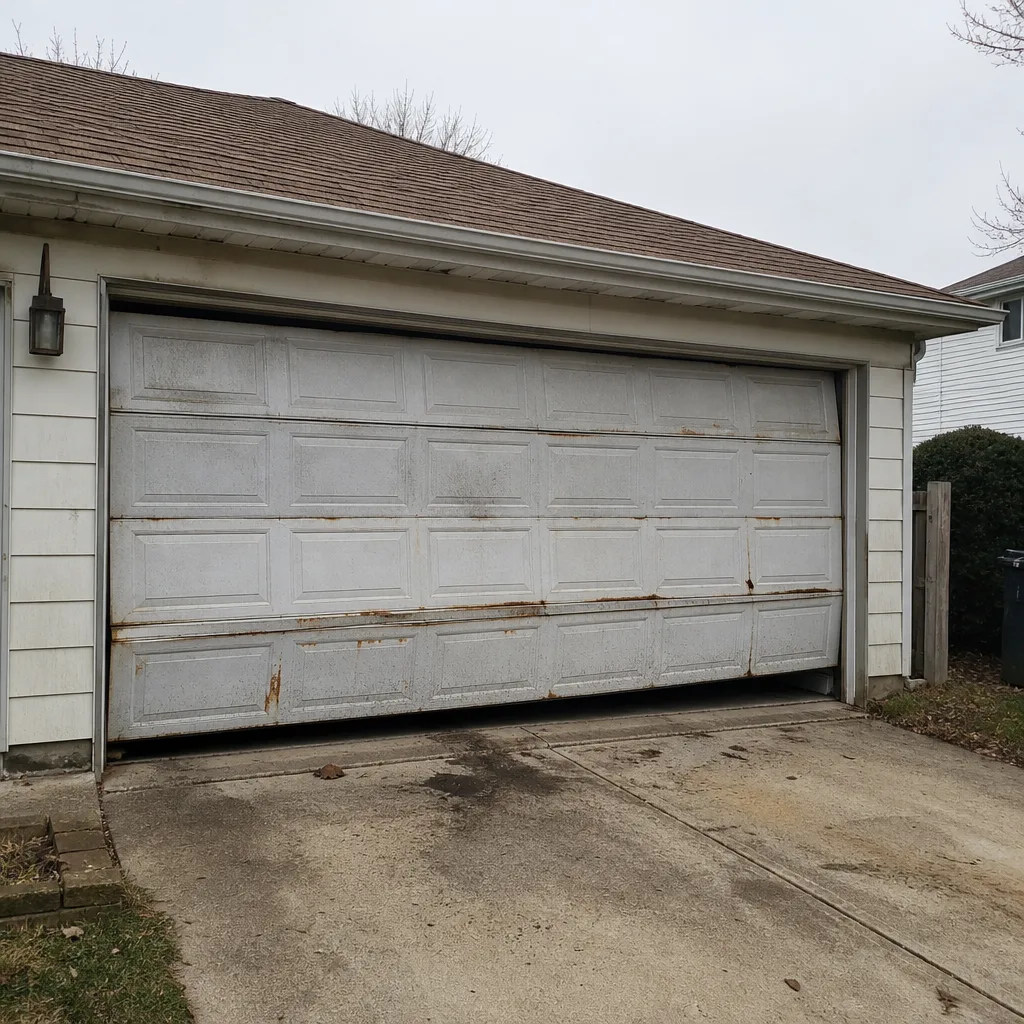 Before
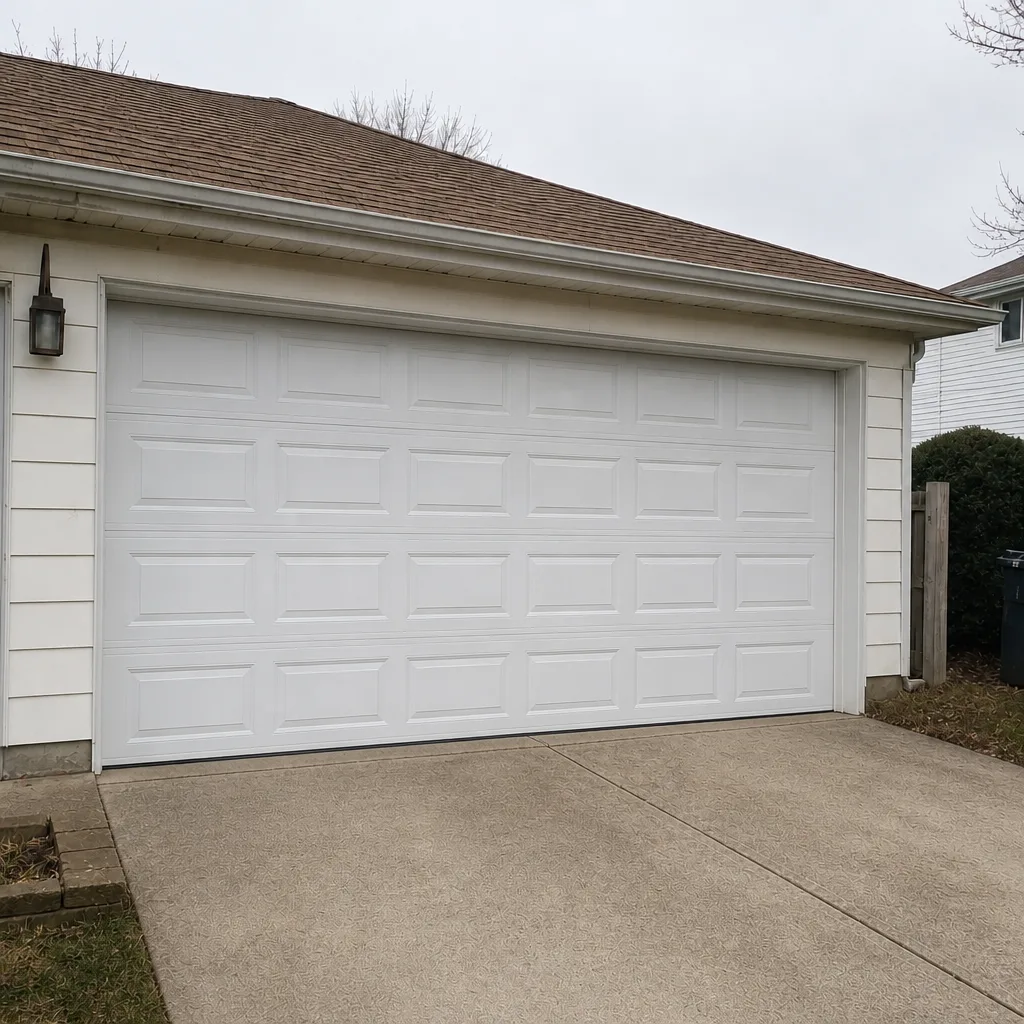 After
When to Call a Professional
Call a professional the moment the job crosses into spring, cable, or bottom-bracket territory, or when the door’s weight has to come off its track. Call when an opener runs but the door doesn’t move, when you hear a bang from the garage and the door hangs crooked, or when the door is your main entry and you need it working today. Call when the fix needs a permit or involves the electrical circuit. And call when you’ve checked the small stuff, it looks safe, and it still won’t work. Downers Grove Garage Door Repair Pros offers free estimates in Downers Grove and can handle springs, openers, panels, and full replacements in one call. Call (877) 730-4856.
Frequently Asked Questions
No, we don’t recommend it. A torsion spring holds roughly 200 foot-pounds of stored energy, and winding or unwinding it without professional winding bars and the right sequence can release that energy in an instant. It’s a job for a trained technician, and we treat it as one of the most safety-critical repairs on the door.
Typical repair costs depend on the part: spring work runs in the low-to-mid hundreds per spring, with a matched pair replaced together costing about twice that, and opener repairs usually land in a similar range. A written estimate sets the final price, and we quote and agree on it before any work starts. Call (877) 730-4856 for an exact quote; estimates are free.
Only if you’re comfortable on a ladder, can follow a wiring diagram, and have a helper for the rail and head unit. The part price is the same either way, so the savings are in labor, and a botched install can void the warranty and end with a callback that erases them. If any of that gives you pause, a professional install is the better value.
No. We quote and agree on the price before any work begins, and the written estimate sets the final price. If a hidden problem turns up mid-job, we stop and talk to you about it first rather than finishing and billing you for it.
The local pros we connect you with are licensed and insured as their state requires. Treat that as the standard for any garage door work in Downers Grove; ask for it before you let anyone touch the spring or cables.
Emergency garage door service is a confirmed offering, and a stuck door, broken spring, or failed opener is exactly the kind of urgent failure it’s for. Call (877) 730-4856 and we’ll get you on the schedule as fast as we can.
The Bottom Line
The DIY question for garage doors has a real answer, and it isn’t “do everything” or “call a pro for everything.” The safe tier, weatherstripping, lubrication, sensor alignment, and remote programming, is genuinely worth your own time and saves real money. The hard line at springs, cables, and bottom brackets isn’t a scare line; it’s about 200 foot-pounds of stored energy and parts designed to move with force. Check with the Village of Downers Grove on any structural or permit-triggering work, weigh the warranty and callback risk on opener installs, and use the framework above to sort your specific job. When in doubt, get a free estimate and let a specialist tell you what you’re actually facing. Call Downers Grove Garage Door Repair Pros at (877) 730-4856. Our technicians have up to 10 years of experience.
Written by the team at Downers Grove Garage Door Repair Pros.